

Planned Preventative Maintenance for Hospitals: Reducing Risk in Critical Care Environments
Introduction
Healthcare facilities operate in some of the most demanding and regulated environments of any sector. Hospitals, clinics and medical centres must remain operational around the clock while meeting strict safety, hygiene and compliance standards. Even minor failures in building systems can have serious consequences for patient care, staff safety and service delivery.
This is why healthcare facilities management plays a critical role for NHS trusts, private hospitals and healthcare estates. A structured, proactive approach ensures buildings remain safe, compliant and fully operational in environments where downtime is simply not an option.
What Is Healthcare Facilities Management?
Healthcare facilities management refers to the coordinated management of buildings, infrastructure and critical systems within medical environments. This includes planned preventative maintenance, reactive repairs, compliance monitoring, HVAC and ventilation servicing, infrastructure lifecycle planning and documentation management.
Unlike standard commercial facilities management, healthcare environments require a much higher level of control and precision. Clinical spaces must support infection prevention, temperature stability, air quality and uninterrupted clinical operations. Maintenance activities must be carefully scheduled to avoid disruption to patient care while still meeting regulatory requirements.
Healthcare facilities management brings these elements together under a structured framework, ensuring buildings perform reliably and compliantly at all times.
Why Compliance Is Critical in Healthcare Environments
Compliance is one of the most significant challenges facing healthcare estates teams. Hospitals and medical facilities are subject to frequent inspections and audits covering health and safety, air quality, ventilation, equipment servicing and overall building condition.
Failure to meet compliance standards can result in enforcement action, reputational damage and, in severe cases, restrictions on clinical activity. Even when systems are functioning correctly, missing documentation or missed maintenance intervals can lead to non-compliance.
A structured facilities management approach ensures compliance is maintained through planned maintenance schedules, regular inspections and accurate record-keeping, reducing risk and supporting audit readiness.
The Role of Planned Preventative Maintenance in Hospitals
Planned preventative maintenance is central to effective healthcare facilities management. Rather than responding to breakdowns, maintenance activities are scheduled in advance to prevent failures and maintain system performance.
In hospital environments, this significantly reduces the risk of unexpected outages affecting critical services. Regular servicing helps identify early signs of wear, deterioration or non-compliance, allowing corrective action to be taken before patient care is impacted.
Planned maintenance also supports better budget control, reducing emergency call-outs and extending the lifespan of essential building systems.
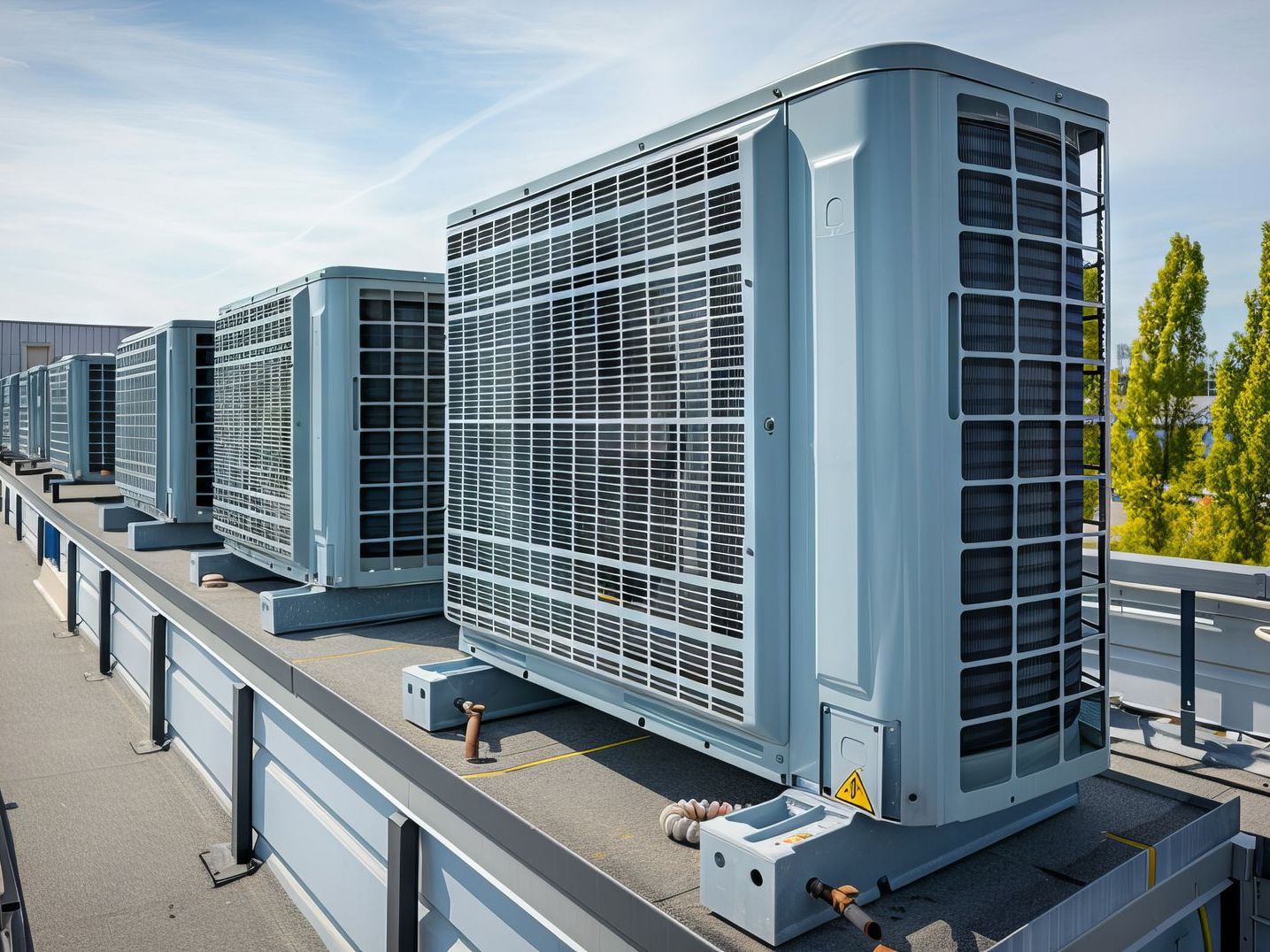
HVAC and Ventilation: Supporting Infection Control and Air Quality
HVAC and ventilation systems are among the most critical components of healthcare facilities. These systems play a vital role in maintaining indoor air quality, controlling temperature and supporting infection prevention measures.
Poorly maintained systems can compromise airflow, allow contaminants to circulate and create uncomfortable or unsafe environments for patients and staff. In clinical areas such as operating theatres, treatment rooms and isolation wards, ventilation performance is particularly important.
Regular inspection, cleaning and servicing of HVAC and ventilation systems helps maintain safe clinical environments and supports regulatory compliance.
Managing Ageing Healthcare Infrastructure
Many healthcare facilities operate within older buildings that rely on ageing infrastructure. While these systems may still function, they may no longer meet current performance or compliance standards.
Facilities management plays an important role in assessing asset condition, identifying end-of-life equipment and planning upgrades in a controlled manner. This reduces the risk of sudden failures and allows healthcare organisations to manage capital investment more effectively.
A proactive approach to infrastructure management supports long-term operational stability and cost control.
Why Healthcare Organisations Choose Specialist Facilities Management Support
Healthcare environments are complex and highly regulated, requiring specialist knowledge and clear accountability. Managing maintenance and compliance internally can place significant pressure on estates teams and increase operational risk.
Many healthcare organisations choose to work with experienced facilities management providers who understand the specific demands of medical environments. Specialist support provides structured processes, consistent service delivery and clear oversight.
Tradeforce Facilities Management supports healthcare organisations by delivering tailored facilities management services focused on safety, compliance and uptime. Through planned maintenance, compliance oversight and responsive support, healthcare providers gain confidence that their facilities are managed to the highest standards.
Keeping Healthcare Facilities Operational and Compliant
Effective healthcare facilities management protects far more than physical buildings. It safeguards patient care, staff wellbeing and organisational reputation in environments where reliability is critical.
With increasing regulatory pressure and operational complexity, a proactive and structured approach to facilities management is essential. Planned maintenance, robust compliance management and specialist support ensure healthcare facilities remain safe, efficient and fully operational at all times.