
Reactive vs Planned Maintenance: Which Costs Commercial Property Owners More Over Time?
Reactive vs Planned Maintenance: Which Costs Commercial Property Owners More Over Time?
For many commercial property owners and facilities managers, maintenance decisions are often driven by urgency rather than strategy. A system fails, a contractor is called, and the issue is fixed — until the next breakdown occurs. While this reactive approach may appear cost-effective in the short term, it almost always leads to higher long-term costs, increased risk, and operational disruption.
Understanding the difference between reactive maintenance and planned preventative maintenance is critical for organisations responsible for commercial buildings.
What Is Reactive Maintenance?
Reactive maintenance refers to repairs carried out only after equipment or systems fail. This approach is common in buildings without structured maintenance plans or where budgets are focused solely on immediate issues.
While reactive maintenance may reduce short-term expenditure, it often results in emergency call-out costs, unplanned downtime, and higher repair expenses. More importantly, it increases the likelihood of compliance failures, safety risks, and asset degradation.
What Is Planned Preventative Maintenance?
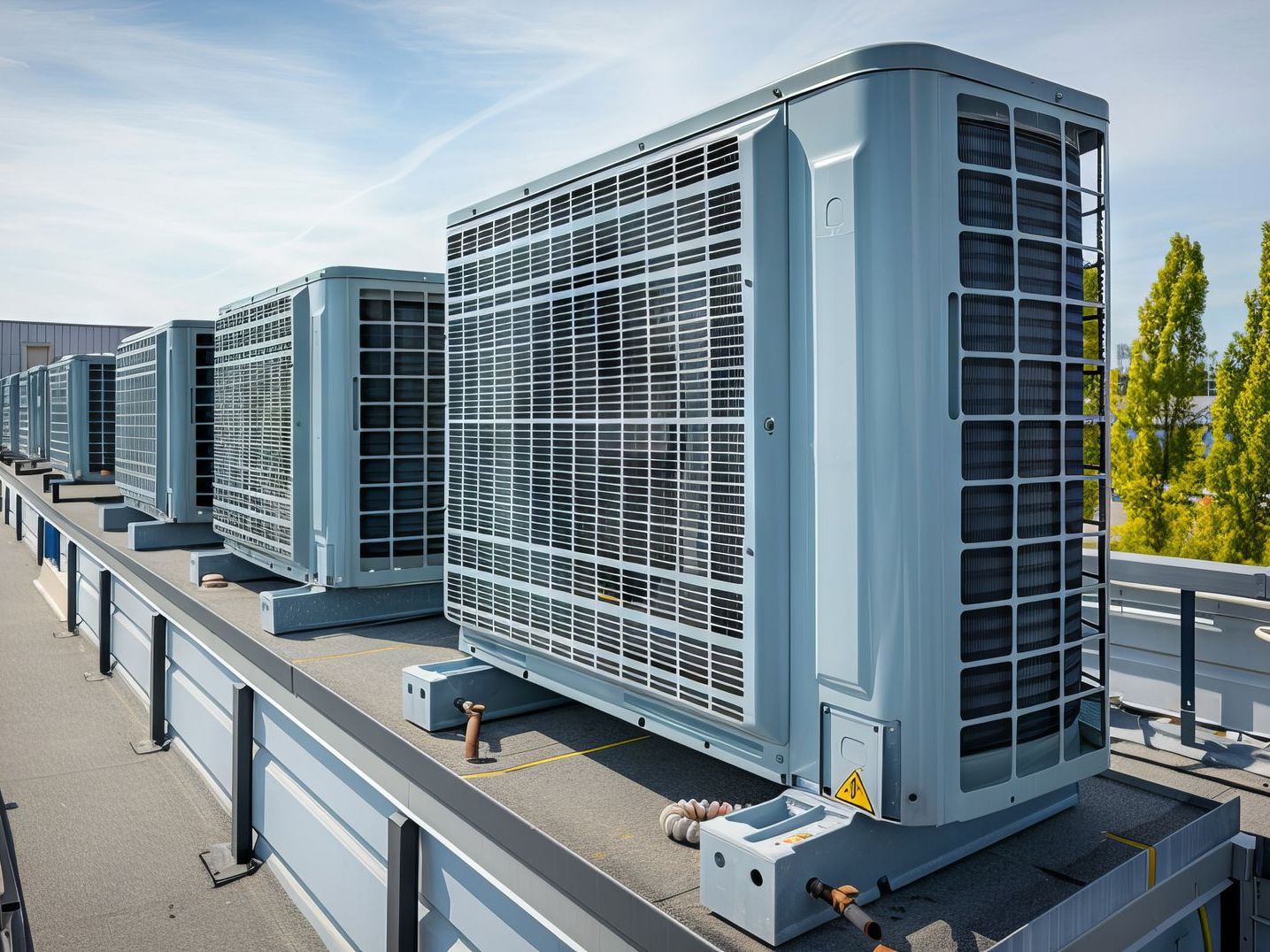
Planned preventative maintenance involves scheduled inspections, servicing, and minor repairs designed to prevent breakdowns before they occur. This approach focuses on maintaining systems such as HVAC, ventilation, electrical infrastructure, and safety equipment at optimal performance levels.
Planned maintenance is proactive, predictable, and structured. It allows facilities managers to identify issues early, reduce disruption, and maintain compliance with regulatory requirements.
The Hidden Costs of Reactive Maintenance
One of the biggest misconceptions about reactive maintenance is that it saves money. In reality, emergency repairs are significantly more expensive than planned work. Call-out fees, premium labour rates, and rushed part replacements all add up quickly.
Reactive maintenance also increases downtime. When critical systems such as heating, cooling, or ventilation fail unexpectedly, businesses may be forced to suspend operations, relocate staff, or deal with occupant complaints. These indirect costs are rarely factored into maintenance budgets but can be substantial.
Additionally, systems that are only repaired when they fail tend to have shorter lifespans. Without routine servicing, wear and tear accelerates, leading to premature replacement and higher capital expenditure.
Why Planned Maintenance Reduces Long-Term Costs
Planned preventative maintenance spreads costs evenly across the year, making budgeting more predictable. Regular servicing keeps systems running efficiently, reduces energy consumption, and minimises the risk of catastrophic failure.
By identifying minor issues early, planned maintenance prevents small problems from becoming major repairs. This protects asset value and extends the operational life of critical infrastructure.
Planned maintenance also supports compliance. Many regulations require evidence of regular inspections and servicing. Buildings with structured maintenance programmes are far less likely to fail audits or face enforcement action.
The Business Case for Planned Maintenance in Commercial Buildings
For commercial property owners, the choice between reactive and planned maintenance is not just operational — it is strategic. Planned maintenance improves reliability, protects reputation, and supports long-term asset management.
Facilities managers benefit from fewer emergencies, clearer reporting, and greater control over building performance. Senior stakeholders benefit from reduced risk, lower total cost of ownership, and improved occupant satisfaction.
Moving from Reactive to Proactive Maintenance
Transitioning from reactive maintenance to a planned approach does not require immediate large-scale change. Many organisations start by introducing planned preventative maintenance for their most critical systems, such as HVAC, ventilation, and life-safety equipment.
Working with an experienced facilities management provider allows organisations to implement structured maintenance programmes tailored to their buildings, usage patterns, and compliance requirements.
Why Planned Maintenance Is the Smarter Investment
Over time, planned preventative maintenance consistently proves to be the more cost-effective, reliable, and compliant approach. While reactive maintenance may seem cheaper at first glance, the long-term financial and operational impact tells a different story.
For commercial buildings, investing in planned maintenance is not an expense — it is a safeguard against disruption, inefficiency, and unnecessary cost.