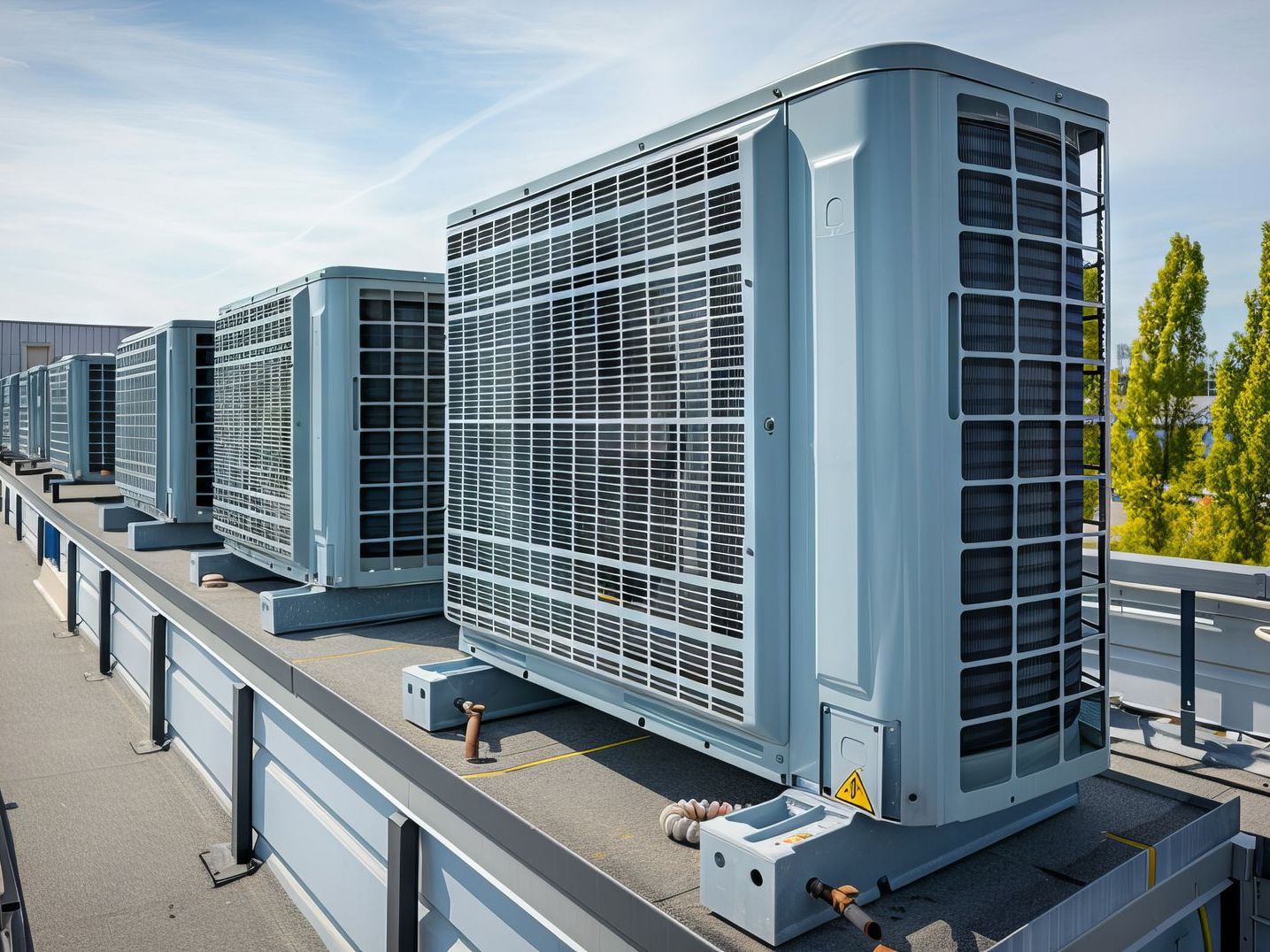


Air Conditioning Installation for Schools: Creating Comfortable and Compliant Learning Spaces
Introduction
Schools depend on safe, comfortable and well-ventilated indoor environments to support learning, staff performance and student wellbeing. HVAC maintenance for schools plays a critical role in ensuring classrooms remain temperature-controlled, properly ventilated and compliant with health and safety standards.
From primary schools and academies to colleges and private education campuses, structured HVAC maintenance programmes are essential for maintaining safe learning environments throughout the academic year.
Why HVAC Maintenance Is Essential in Education Buildings
Education buildings experience high occupancy levels for extended periods of time. Classrooms, assembly halls, sports facilities and shared learning spaces generate significant heat and require consistent airflow. Without regular HVAC maintenance, heating and cooling systems can become inefficient, unreliable or non-compliant.
Poorly maintained systems often result in uneven temperatures, increased energy usage and complaints from staff and students. Over time, minor issues such as blocked filters, worn components or unbalanced airflow can escalate into costly breakdowns that disrupt learning.
Planned HVAC maintenance for schools ensures systems operate reliably during peak usage, particularly during seasonal transitions when heating and cooling demand increases.
Supporting Indoor Air Quality in Classrooms
Indoor air quality is increasingly recognised as a key factor in student concentration, comfort and wellbeing. Inadequate ventilation can contribute to fatigue, reduced focus and discomfort in classroom environments.
Regular maintenance of air handling units, ventilation systems and air conditioning equipment ensures clean airflow is maintained and airborne particles are effectively managed. Replacing filters, inspecting ductwork and balancing airflow are critical components of maintaining healthy classroom conditions.
By prioritising ventilation system maintenance, schools can create more productive and comfortable learning environments while supporting regulatory compliance.
Preventing Downtime During Term Time
Unexpected HVAC failures during term time can cause major disruption. Whether it is a heating outage in winter or cooling failure during warmer months, system breakdowns can force temporary classroom closures or relocation of students. Reactive maintenance often results in emergency call-outs, premium repair costs and operational delays. Planned preventative HVAC maintenance reduces these risks by identifying issues early and addressing them before they impact daily operations. Maintenance schedules can also be aligned with school holidays to minimise disruption and ensure systems are fully operational before students return.
Improving Energy Efficiency and Reducing Costs
Energy efficiency is a major concern across both public and private education sectors. Inefficient HVAC systems increase operating costs and place unnecessary strain on limited budgets. Regular servicing improves system efficiency by ensuring components are clean, calibrated and functioning correctly. Well-maintained heating and cooling systems consume less energy and deliver more consistent performance.
Over time, structured HVAC maintenance helps schools reduce energy bills, extend equipment lifespan and avoid premature capital expenditure on replacements.
Meeting Compliance and Safety Standards
Schools and education providers must meet health and safety regulations relating to building systems and ventilation standards. Documented maintenance records are often required to demonstrate compliance during inspections or audits.
An organised HVAC maintenance programme ensures all servicing activities are recorded, inspections are completed on schedule and systems remain compliant with regulatory requirements. Maintaining clear documentation reduces risk and provides confidence to governing bodies and stakeholders.
HVAC Maintenance for Both Public and Private Education
Whether supporting state-funded schools, academies, independent schools or university campuses, HVAC maintenance requirements remain equally important. Each environment may have different occupancy patterns and building layouts, but the need for safe, efficient and compliant systems is universal.
Tradeforce Facilities Management delivers HVAC maintenance for schools and education facilities designed to meet the operational demands of both public and private institutions. With structured servicing plans, responsive support and compliance-focused processes, education providers gain reliable system performance and peace of mind.
Creating Safe and Comfortable Learning Environments
Conclusion
Effective HVAC maintenance protects more than just equipment — it supports student wellbeing, staff productivity and uninterrupted education delivery. By investing in planned maintenance, schools can reduce risk, control costs and maintain comfortable learning spaces throughout the year.
For education providers seeking long-term reliability and regulatory confidence, professional HVAC maintenance is a strategic investment in safe, efficient and future-ready school environments.