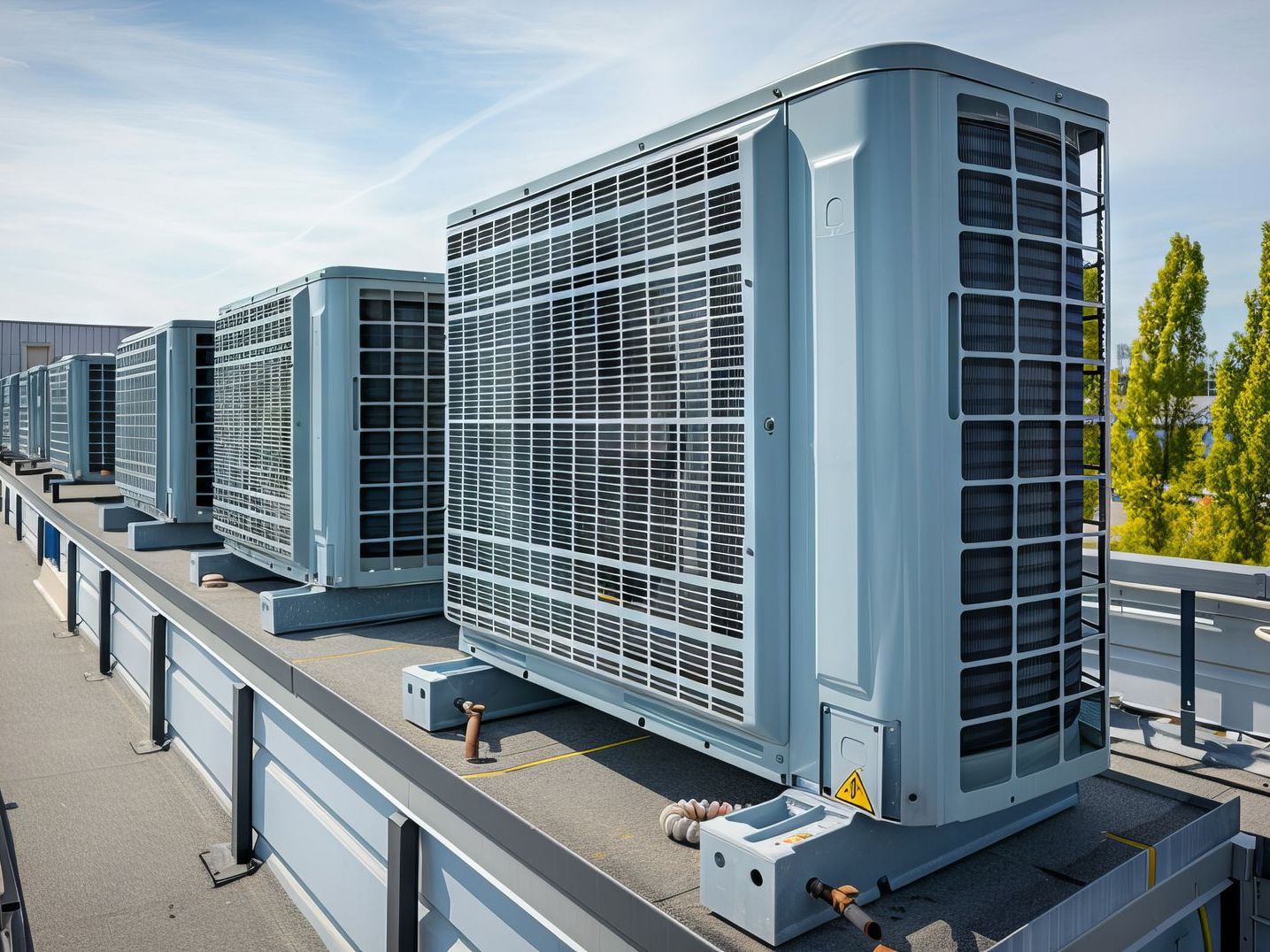


University HVAC Maintenance Services: Managing Large Education Estates Efficiently
Introduction
Ventilation plays a vital role in maintaining safe, comfortable and compliant learning environments. School ventilation system maintenance ensures classrooms, halls and shared education spaces maintain healthy airflow levels, meet indoor air quality standards and operate efficiently throughout the academic year.
For both public and private education providers, properly maintained ventilation systems are essential to supporting student wellbeing, regulatory compliance and uninterrupted teaching.
Why Ventilation Is Critical in Schools and Colleges
Education buildings accommodate high numbers of students and staff for extended periods of time. Without adequate ventilation, indoor air can quickly become stale, uncomfortable and potentially unhealthy.
Ventilation systems are responsible for removing stale air, controlling humidity and maintaining balanced airflow across classrooms and shared spaces. When these systems are not properly maintained, airflow can become restricted, filters can clog and system performance can decline.
Routine ventilation system maintenance helps ensure that air circulation remains consistent and classrooms provide comfortable environments that support concentration and learning.
Supporting Indoor Air Quality and Student Wellbeing
Indoor air quality is increasingly recognised as a key factor in education performance. Poor ventilation can contribute to fatigue, headaches and reduced focus among students and staff.
Regular inspection of ventilation units, ductwork and air handling systems helps maintain clean airflow and minimise airborne contaminants. Replacing filters and cleaning system components ensures that fresh air is effectively circulated throughout learning spaces. Well-maintained ventilation systems support healthier classrooms and contribute to improved comfort across the school estate.
Preventing Unexpected System Failures During Term Time
Reactive ventilation repairs often cause disruption during the school year. System failures can lead to uncomfortable classrooms, increased noise from malfunctioning equipment or temporary closures of certain areas.
Planned ventilation maintenance reduces these risks by identifying minor issues before they escalate. Regular inspections allow maintenance teams to address wear, inefficiencies or blockages in a controlled manner.
By scheduling maintenance outside of peak teaching hours or during school holidays, disruption can be kept to a minimum.
Meeting Ventilation and Compliance Standards
Education providers are expected to maintain building systems in accordance with safety and ventilation standards. Documented ventilation system maintenance helps demonstrate that systems are inspected and serviced regularly.
Clear service records and structured maintenance schedules support audit readiness and provide reassurance to governing bodies and stakeholders. A proactive ventilation maintenance programme ensures schools remain compliant and prepared for inspections.
Energy Efficiency and Cost Management
Inefficient ventilation systems can increase energy consumption and place unnecessary strain on heating and cooling systems. When airflow is restricted, HVAC systems must work harder to maintain desired temperatures.
Regular ventilation system servicing improves efficiency by ensuring ducts, fans and air handling units operate as intended. This supports energy savings and helps schools manage operational costs more effectively.
Over time, preventative maintenance reduces the likelihood of major repairs and extends the lifespan of ventilation infrastructure.
Ventilation Maintenance Across Public and Private Education Estates
Ventilation requirements vary depending on the size and layout of education buildings. Larger secondary schools and universities may operate complex air handling systems across multiple buildings, while smaller primary schools may rely on more localised ventilation solutions.
Regardless of scale, consistent maintenance remains essential. Tradeforce Facilities Management delivers school ventilation system maintenance tailored to both public and private education environments. With structured servicing plans and compliance-focused processes, schools and colleges gain reliable ventilation performance throughout the year.
Creating Healthier Learning Environments
Effective ventilation system maintenance supports healthier, more comfortable and more productive learning environments. By investing in structured servicing and preventative maintenance, education providers can reduce risk, improve air quality and maintain compliant building systems.
For schools and universities seeking long-term reliability and improved indoor air quality, proactive ventilation maintenance is a key component of responsible facilities management.