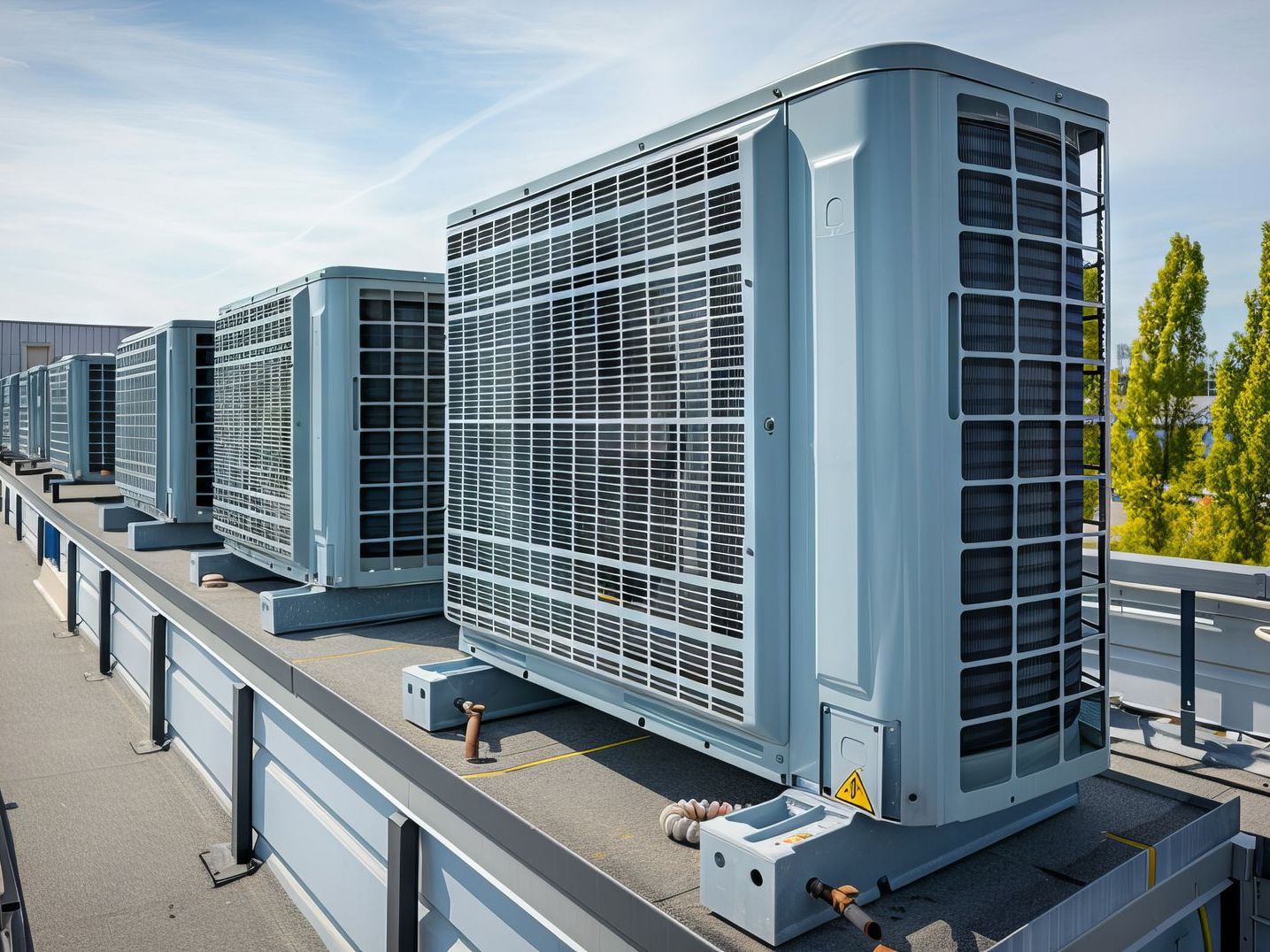


School Ventilation System Maintenance: Improving Air Quality and Compliance in Education Buildings
Introduction
As classroom environments evolve and temperatures continue to fluctuate throughout the year, air conditioning installation for schools has become increasingly important. Modern education facilities must provide stable, comfortable indoor conditions that support learning, staff performance and regulatory compliance.
From primary schools and academies to colleges and universities, professionally designed and installed air conditioning systems play a vital role in maintaining productive and safe learning environments.
Why Schools Are Investing in Air Conditioning Systems
Many older school buildings were not originally designed to accommodate modern occupancy levels or changing climate conditions. High classroom density, IT equipment usage and rising seasonal temperatures can create uncomfortable and distracting environments for students and staff.
Air conditioning installation provides consistent temperature control, improved airflow and enhanced comfort in classrooms, offices and communal areas. Maintaining appropriate indoor temperatures has been shown to support concentration and reduce fatigue, particularly during exam periods and warmer months.
For private education providers, comfortable classroom environments can also enhance reputation and student satisfaction.
Supporting Indoor Air Quality and Ventilation Standards
Air conditioning systems do more than cool spaces. Modern systems integrate with ventilation infrastructure to improve air circulation and filtration. Properly installed air conditioning units can support indoor air quality management by reducing humidity levels and maintaining balanced airflow.
In education environments, effective ventilation and air conditioning help reduce the buildup of stale air and maintain comfortable learning conditions throughout the academic year. Professional air conditioning installation ensures systems are correctly sized and configured to meet the specific needs of each school building.
Compliance and Installation Considerations in Education Buildings
Air conditioning installation for schools must meet building regulations, energy efficiency standards and safety requirements. Systems must be installed by qualified professionals and integrated safely with existing HVAC infrastructure.
Incorrect installation can result in poor performance, increased energy consumption and higher long-term maintenance costs. Careful planning ensures units are positioned to maximise airflow while minimising disruption to teaching spaces.
Installation schedules are often aligned with school holidays to avoid disruption and ensure systems are operational before term begins.
Energy-Efficient Cooling Solutions for Schools and Universities
Energy efficiency is a key priority across the education sector. Modern air conditioning systems are designed to operate more efficiently than older equipment, reducing carbon emissions and helping schools meet sustainability targets. Upgrading outdated cooling systems can significantly reduce energy consumption and operational costs over time. Variable refrigerant flow systems, smart controls and zoned cooling solutions allow schools to manage temperature precisely and efficiently.
Energy-efficient air conditioning installation supports both environmental goals and budget control.
Long-Term Benefits of Professional Installation
Choosing a structured, professional installation approach provides long-term reliability and performance. Correctly installed systems are less likely to experience early breakdowns and often require less reactive maintenance.
Integrating air conditioning installation with planned preventative maintenance ensures continued system efficiency and compliance throughout its lifecycle.
Schools that adopt a proactive approach to HVAC upgrades benefit from improved reliability and reduced operational risk.
Supporting Public and Private Education Estates
Air conditioning requirements vary across public schools, academies, independent schools and university campuses. Larger education estates may require phased installation across multiple buildings, while smaller schools may focus on key areas such as IT suites or exam halls.
Tradeforce Facilities Management delivers air conditioning installation for schools tailored to both public and private education environments. With a focus on compliance, energy efficiency and long-term performance, schools and universities gain cooling solutions designed to support safe and productive learning spaces.
Creating Comfortable Learning Environments for the Future
As educational standards evolve and building performance expectations increase, air conditioning installation is becoming an essential component of modern school infrastructure. Reliable cooling systems support student wellbeing, staff comfort and uninterrupted learning.
By investing in professionally designed and installed air conditioning solutions, education providers can create comfortable, compliant and future-ready learning environments that perform efficiently throughout the year.