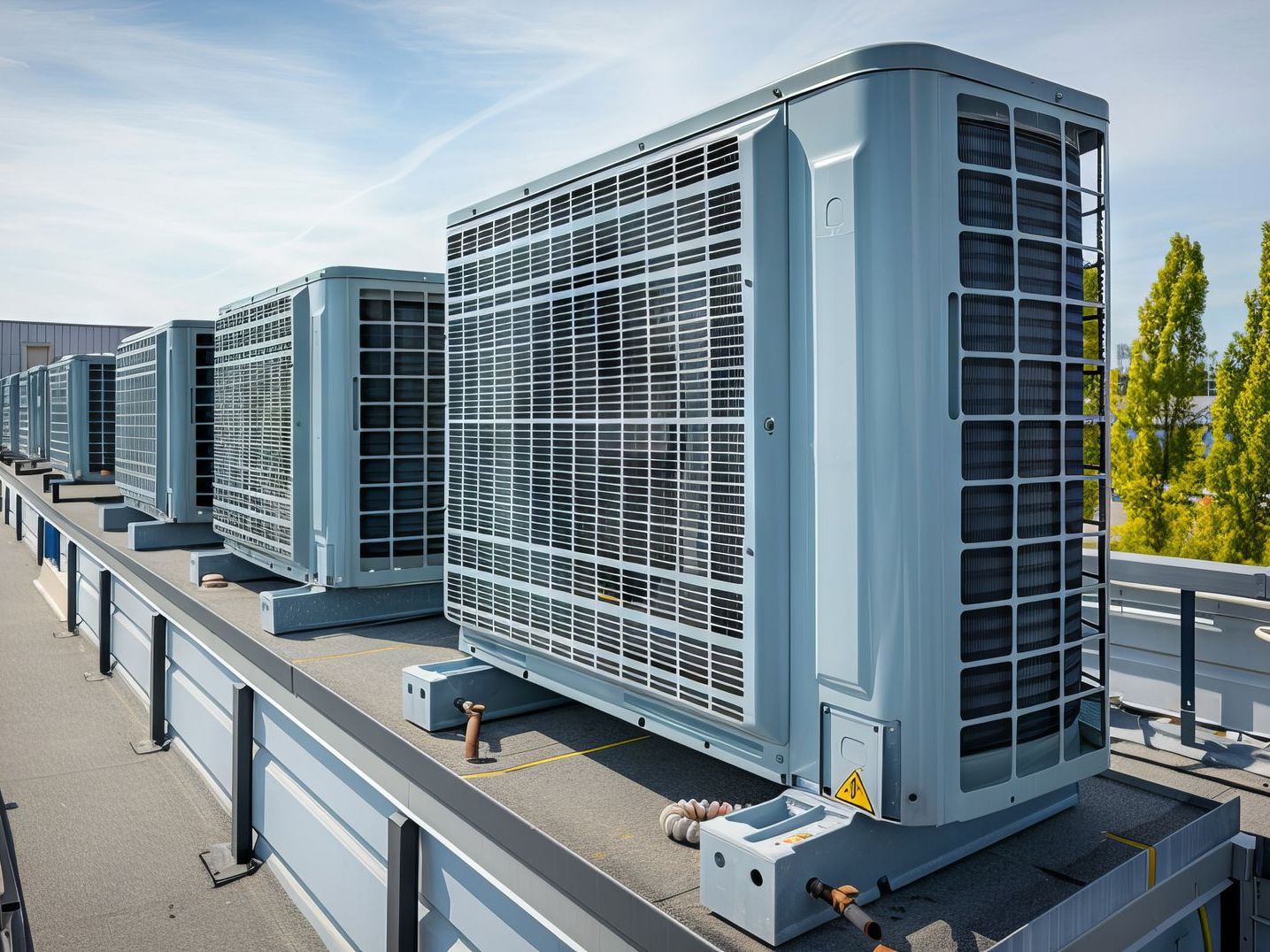


How Poor HVAC Maintenance Impacts Productivity, Energy Costs and Tenant Satisfaction
How Poor HVAC Maintenance Impacts Productivity, Energy Costs and Tenant Satisfaction
Heating, ventilation and air conditioning systems play a critical role in commercial buildings, yet HVAC maintenance is often undervalued until problems arise. Poorly maintained HVAC systems don’t just affect temperature control — they directly impact productivity, operating costs, compliance, and how occupants experience a building.
For facilities managers and property owners, understanding the true impact of HVAC maintenance is essential to protecting both building performance and business outcomes.
The Link Between HVAC Performance and Workplace Productivity
Indoor comfort has a measurable effect on productivity. Inconsistent temperatures, poor air quality, and inadequate ventilation can cause discomfort, fatigue, and reduced concentration among occupants.
When HVAC systems are not properly maintained, airflow becomes unbalanced, filters clog, and temperature control becomes unreliable. This leads to complaints, increased absenteeism, and reduced workplace performance — especially in office environments where comfort is critical.
In commercial buildings with high occupancy levels, poor HVAC performance can also increase the risk of airborne contaminants circulating through the space, further affecting occupant wellbeing.
Rising Energy Costs Caused by Poor HVAC Maintenance
One of the most immediate impacts of inadequate HVAC maintenance is increased energy consumption. Systems that are dirty, uncalibrated, or operating with worn components require more energy to achieve the same output.
Inefficient HVAC systems can significantly increase energy bills over time. Faulty controls, blocked coils, and poorly maintained air handling units force systems to run longer and harder than necessary, driving up operational costs.
Regular HVAC servicing ensures systems operate at peak efficiency, reducing energy waste and supporting sustainability targets.
Compliance Risks and Operational Disruption
Commercial HVAC systems are subject to regulatory requirements relating to safety, air quality, and system performance. Failure to maintain these systems properly increases the risk of non-compliance during audits or inspections.
Unexpected HVAC failures can also cause operational disruption. Heating or cooling outages may result in temporary building closures, loss of business continuity, or emergency repair costs that far exceed planned maintenance budgets.
A proactive maintenance approach reduces these risks by identifying potential issues before they escalate into failures.
The Impact on Tenant and Occupant Satisfaction
For property owners and managing agents, HVAC performance directly influences tenant satisfaction. Consistent comfort, good air quality, and reliable system performance contribute to positive tenant experiences and long-term occupancy.
Poor HVAC maintenance, on the other hand, leads to complaints, reputational damage, and increased tenant turnover. In competitive commercial property markets, these issues can affect asset value and rental potential.
Why Planned HVAC Maintenance Delivers Long-Term Value
Planned HVAC maintenance provides a structured approach to system care. Scheduled inspections, servicing, and performance checks ensure systems remain efficient, compliant, and reliable throughout their lifecycle.
By maintaining HVAC systems proactively, facilities managers gain greater control over costs, reduce emergency call-outs, and extend the lifespan of critical equipment. This supports predictable budgeting and long-term asset management.
Planned maintenance also integrates seamlessly with wider facilities management strategies, aligning HVAC performance with ventilation, air quality, and overall building compliance.
Taking a Proactive Approach to HVAC Management
The most effective commercial buildings treat HVAC maintenance as an ongoing investment rather than a reactive expense. Partnering with an experienced facilities management provider allows organisations to implement tailored maintenance programmes that reflect building usage, occupancy patterns, and regulatory requirements.
This proactive approach protects productivity, controls energy costs, and enhances occupant satisfaction — delivering measurable value over time.
Why HVAC Maintenance Should Be a Strategic Priority
Poor HVAC maintenance affects far more than comfort. It impacts energy efficiency, compliance, reputation, and the overall performance of commercial buildings.
For organisations looking to reduce risk and improve building outcomes, investing in structured HVAC maintenance is a strategic decision that delivers long-term benefits.