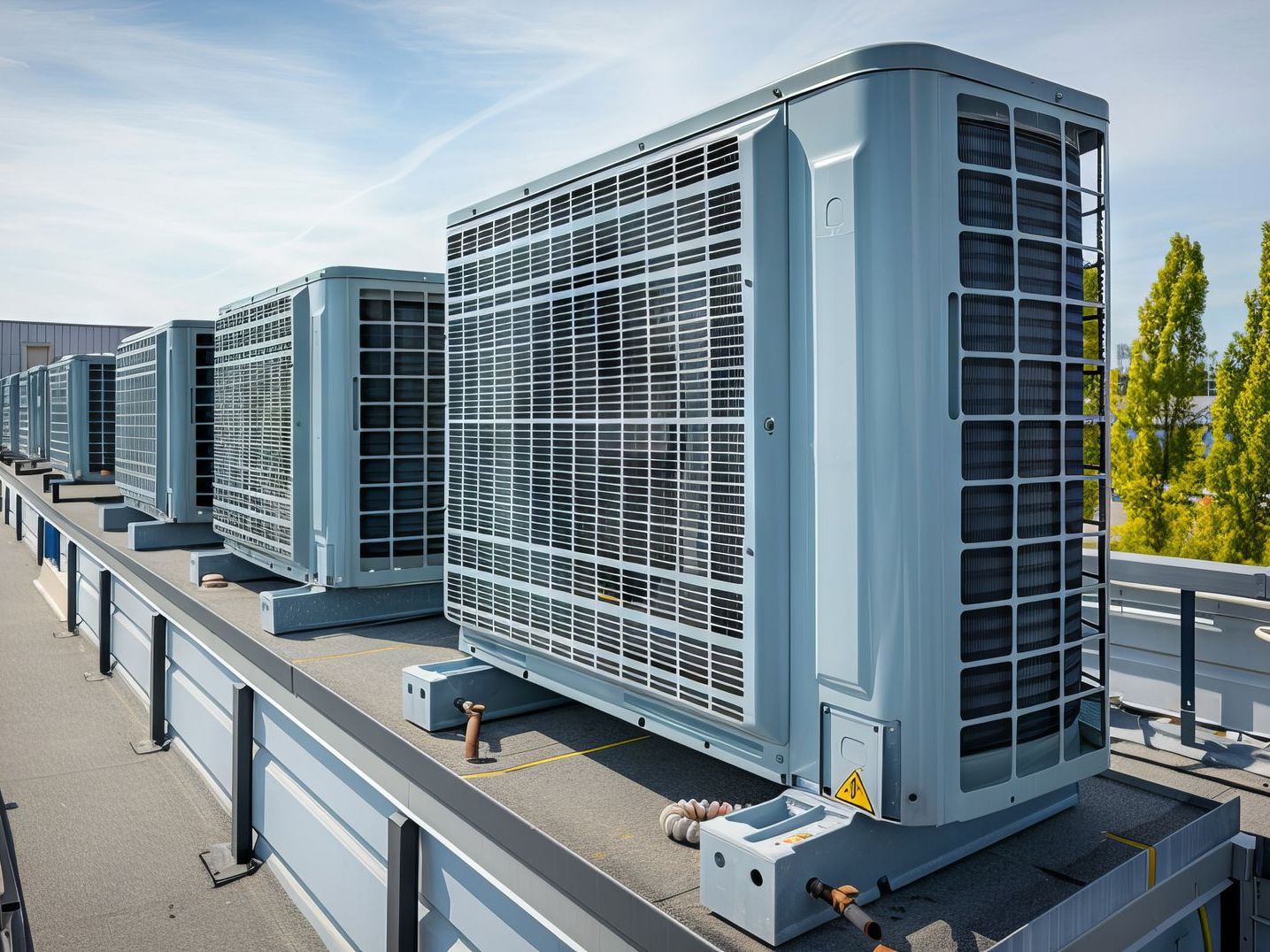


Air Conditioning for Offices: Installation, Servicing and Costs Explained
Introduction
Air conditioning is no longer a luxury in modern offices. For businesses across London, it’s an essential part of maintaining a comfortable, productive, and professional working environment. Whether you’re setting up a new office or reviewing your current system, understanding how office air conditioning works—and what it involves—can help you make better long-term decisions.
From installation and servicing to ongoing costs, there are several factors to consider when managing air conditioning in a commercial space.
What is office air conditioning and why is it important?
Office air conditioning refers to the systems used to regulate temperature, airflow, and indoor air quality within a workplace. In busy office environments, especially in London, these systems play a critical role in ensuring staff comfort and maintaining consistent working conditions.
Without effective air conditioning, offices can quickly become uncomfortable, particularly during warmer months or in buildings with limited ventilation. Poor temperature control can affect concentration, productivity, and even employee wellbeing.
Modern systems do more than just cool the air. They also help filter pollutants, manage humidity levels, and improve overall air quality, making them a key part of a healthy workplace.
What does air conditioning installation involve?
Installing air conditioning in an office setting is more complex than simply fitting a unit. The process typically begins with an assessment of the space to determine the most suitable system based on size, layout, and usage.
Factors such as the number of occupants, equipment heat output, and building design all influence the type of system required. For example, larger offices may require multi-unit or ducted systems, while smaller spaces might use more compact solutions.
Once the right system is selected, installation involves positioning units for optimal airflow, connecting electrical components, and ensuring the system operates efficiently from day one. Professional installation is essential to avoid performance issues and ensure compliance with regulations.
How often should office air conditioning be serviced?
Regular air conditioning servicing is essential to keep systems running efficiently and to prevent unexpected breakdowns. In most office environments, systems should be serviced at least once or twice a year, depending on usage.
Servicing typically includes checking filters, inspecting components, cleaning units, and ensuring everything is functioning correctly. Over time, dust and debris can build up inside the system, reducing efficiency and affecting air quality.
For offices that rely heavily on air conditioning throughout the year, more frequent servicing may be required. A consistent maintenance schedule not only improves performance but also extends the lifespan of the system.
What are the common problems with office air conditioning?
Even well-maintained systems can develop issues over time. Some of the most common problems include reduced cooling performance, unusual noises, and inconsistent airflow.
In many cases, these issues are caused by blocked filters, worn components, or a lack of regular servicing. Ignoring small faults can lead to more serious problems, including complete system failure.
This is why reactive repairs are often paired with planned maintenance. Addressing issues early helps minimise disruption and keeps your office environment stable.
How much does office air conditioning cost in London?
The cost of office air conditioning in London can vary significantly depending on the size of the space, the type of system, and the level of usage. Installation costs will depend on the complexity of the system and the building layout.
Ongoing costs include servicing, energy consumption, and occasional repairs. While some businesses focus on upfront costs, it’s important to consider long-term efficiency. A well-installed and regularly serviced system is typically more cost-effective over time.
Energy efficiency is another key factor. Modern air conditioning systems are designed to reduce energy consumption while maintaining performance, which can help manage operating costs.
Air conditioning and workplace productivity
There is a clear link between workplace conditions and employee performance. Offices that are too hot or poorly ventilated can lead to discomfort, fatigue, and reduced concentration.
Air conditioning helps create a stable and comfortable environment, allowing employees to focus on their work without distraction. This is particularly important in London offices, where space constraints and building design can make temperature control more challenging.
By maintaining consistent conditions, businesses can support both productivity and employee satisfaction.
FAQs: Office Air Conditioning
How often should office air conditioning be serviced?
Office air conditioning systems should generally be serviced at least once or twice a year. High-usage environments may require more frequent servicing to maintain efficiency and prevent breakdowns.
What type of air conditioning is best for an office?
The best system depends on the size and layout of the office. Larger spaces may benefit from ducted or multi-unit systems, while smaller offices can often use more compact solutions.
Is air conditioning expensive to run in an office?
Running costs vary depending on system efficiency and usage. Modern systems are designed to be energy-efficient, and regular servicing can help keep costs under control.
Can poor air conditioning affect productivity?
Yes, uncomfortable temperatures and poor air quality can reduce concentration and overall productivity. A well-maintained system helps create a better working environment.
Do offices legally require air conditioning in the UK?
There is no strict legal requirement for air conditioning, but employers must ensure a reasonable indoor temperature and a safe working environment under health and safety regulations.
Keeping your office environment under control
Air conditioning is a key part of modern office maintenance, particularly in busy commercial environments like London. From installation to ongoing servicing, managing your system properly ensures consistent performance and avoids unnecessary disruption.
By understanding how air conditioning works and what it requires, businesses can make informed decisions that improve comfort, efficiency, and long-term value.