

What Is the Best Air Conditioning System for Retail Stores in the UK?
Introduction
Choosing the best air conditioning system for retail stores in the UK depends on a range of factors, including store size, layout, footfall and energy efficiency requirements. Retail environments require consistent and reliable climate control to maintain customer comfort, protect products and support staff working conditions throughout the day.
The most effective retail air conditioning systems combine performance, efficiency and ease of maintenance, ensuring long-term reliability while minimising disruption to daily operations.
What Type of Air Conditioning Is Best for a Shop?
The most suitable air conditioning system for a shop will depend on the size and configuration of the space, as well as how the environment is used throughout the day. Smaller retail units, such as independent shops and boutiques, often benefit from split air conditioning systems, which are cost-effective and relatively simple to install. These systems provide reliable cooling without requiring extensive infrastructure.
For slightly larger spaces or retail units with multiple areas, multi-split systems offer greater flexibility by allowing several indoor units to connect to a single outdoor system. This enables different parts of the store to maintain consistent temperatures while improving overall efficiency.
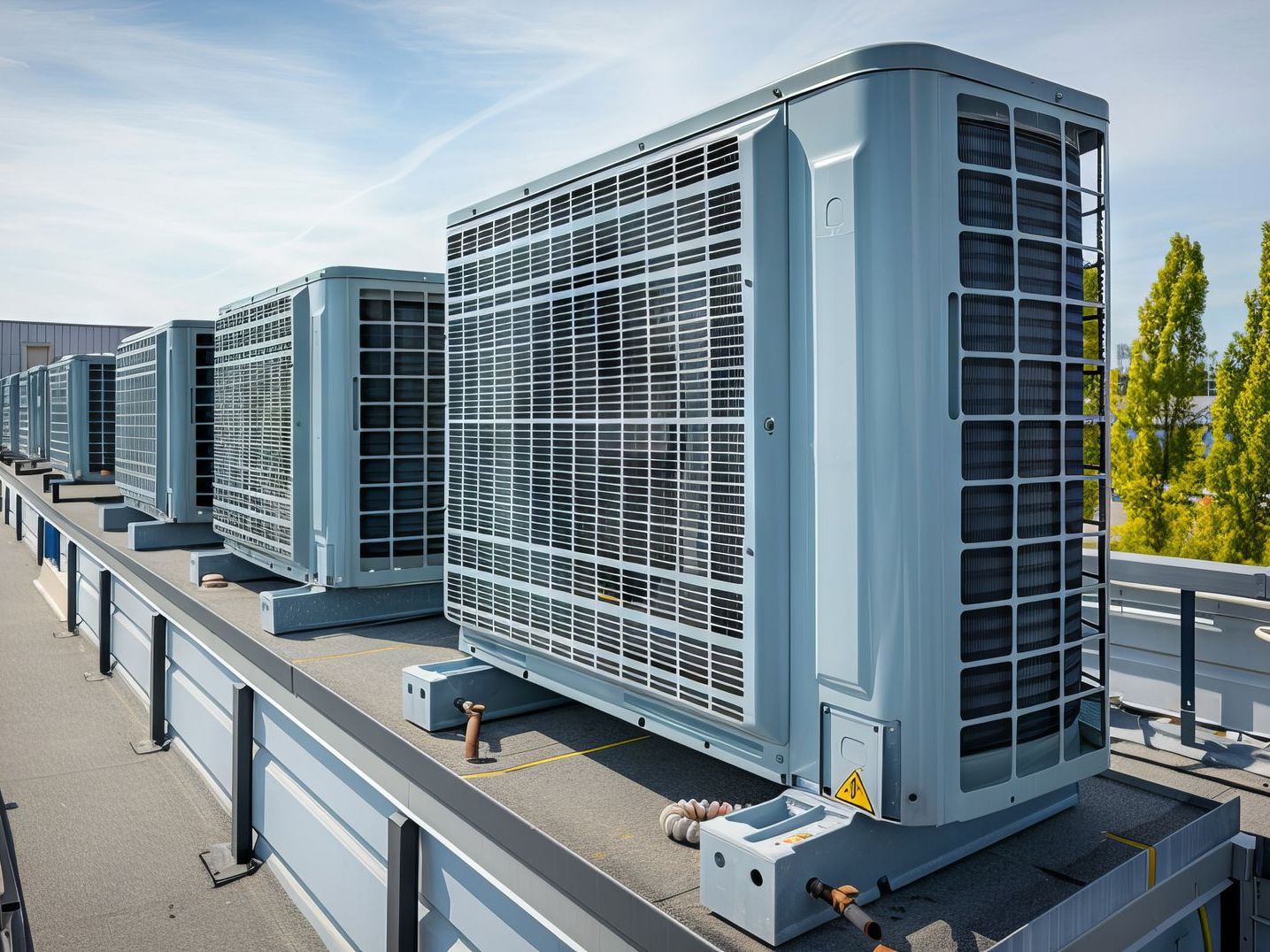
Larger retail environments, including department stores or shopping centres, typically require more advanced solutions such as VRF or VRV systems. These systems are designed to handle higher demand and allow for precise temperature control across multiple zones, making them ideal for complex layouts.
Ceiling cassette systems are also widely used in modern retail spaces, as they are discreetly installed within ceiling voids and provide even air distribution across the shop floor, helping to maintain a consistent and comfortable environment.
Which Air Conditioning System Is Most Efficient for Retail Spaces?
Energy efficiency is a key consideration for retail businesses, particularly in the context of rising energy costs. Modern air conditioning systems are designed to optimise performance while reducing energy consumption, which is essential for maintaining cost-effective operations.
Inverter-driven systems are particularly effective, as they adjust their output based on demand rather than operating at a constant level. This helps to reduce unnecessary energy use while maintaining stable temperatures. Similarly, VRF systems are known for their high efficiency in larger environments, as they can regulate airflow and temperature across multiple zones simultaneously.
Incorporating smart controls and zoning capabilities further enhances efficiency by ensuring that different areas of the store are only cooled when needed. This approach supports both energy savings and improved operational control.
How Much Does Air Conditioning Cost for a Retail Store?
The cost of installing air conditioning in a retail store can vary significantly depending on the size of the premises, the type of system selected and the complexity of the installation. Smaller shops may require only a basic split system, while larger or more complex spaces will need more advanced solutions.
In general, a small retail unit may expect installation costs in the region of £1,500 to £3,500, whereas a medium-sized space using a multi-split system may range from £3,000 to £8,000. Larger retail environments that require VRF systems can exceed £10,000 due to the scale and technical requirements involved.
In addition to installation costs, it is important to consider ongoing expenses such as energy consumption, servicing and maintenance, all of which contribute to the overall lifecycle cost of the system.
Why Is Air Conditioning Important in Retail Environments?
Air conditioning plays a crucial role in shaping the retail experience. A well-regulated indoor climate helps create a comfortable environment for customers, encouraging them to spend more time in-store and improving overall engagement.
It also supports the protection of temperature-sensitive products and ensures that staff can work comfortably throughout trading hours. In contrast, poorly managed indoor conditions can lead to discomfort, reduced customer satisfaction and potential loss of business.
Do Retail Stores Need Regular Air Conditioning Maintenance?
Regular maintenance is essential for ensuring that retail air conditioning systems continue to operate efficiently and reliably. Without routine servicing, systems can gradually lose performance, become less energy-efficient and develop faults that may lead to unexpected breakdowns.
A structured maintenance approach typically includes scheduled inspections, cleaning of components such as filters, performance testing and early identification of potential issues. This proactive approach helps extend the lifespan of the system while maintaining consistent performance.
By implementing a maintenance contract, retail businesses can reduce the risk of disruption, control operational costs and ensure compliance with relevant standards.
Key Considerations When Choosing a Retail Air Conditioning System
Selecting the right air conditioning system requires careful consideration of several factors. The size and layout of the store will influence the type of system required, while customer footfall levels can impact cooling demand throughout the day. Energy efficiency should also be a priority, particularly for businesses looking to manage long-term operating costs.
Noise levels, installation constraints and ongoing maintenance requirements must also be taken into account to ensure the system integrates effectively into the retail environment without causing disruption.
A tailored solution that considers all of these factors will provide the best balance between performance, efficiency and reliability.
Professional Retail Air Conditioning Installation and Maintenance
Working with experienced professionals ensures that retail air conditioning systems are correctly specified, installed and maintained. A professional approach helps minimise disruption during installation and ensures that systems are configured to operate efficiently from the outset.
Ongoing maintenance support is equally important, as it helps maintain performance, identify issues early and ensure systems continue to meet operational requirements over time.
Conclusion
The best air conditioning system for retail stores in the UK will depend on the specific needs of the space, but factors such as efficiency, reliability and scalability should always be prioritised.
By selecting the right system and maintaining it effectively, retail businesses can create comfortable environments, improve operational performance and ensure long-term cost efficiency.
Frequently Asked Questions
What type of air conditioning is best for a small shop?
Split air conditioning systems are generally the most suitable option for small shops due to their affordability, ease of installation and reliable performance.
How often should retail air conditioning systems be serviced?
Most retail air conditioning systems should be serviced at least twice per year to maintain efficiency and reduce the risk of unexpected issues.
What is the most energy-efficient AC system for retail?
Inverter-driven systems and VRF systems are among the most energy-efficient options, particularly for larger or more complex retail environments.
Can air conditioning improve customer experience in shops?
Yes, maintaining a comfortable indoor temperature can significantly enhance customer experience, encouraging longer visits and improving overall satisfaction.