

What Does Office Maintenance Include? A Complete Guide for London Businesses
Introduction
Office maintenance is one of those things most businesses rely on every day, but rarely stop to fully define. Whether you manage a small workspace or a large commercial building in London, understanding what office maintenance actually includes can help you avoid disruption, reduce long-term costs, and create a better working environment for your team.
At its core, office maintenance covers all the services needed to keep a workplace safe, functional, and operating efficiently. But in reality, it goes much further than basic repairs.
What is office maintenance?
Office maintenance refers to the ongoing upkeep, repair, and management of a workplace to ensure everything runs smoothly. This includes everything from fixing faults and maintaining systems to ensuring compliance with safety regulations.
For most London businesses, office maintenance is a combination of planned maintenance and reactive maintenance. Planned maintenance involves scheduled servicing and inspections, while reactive maintenance deals with unexpected issues such as equipment breakdowns or urgent repairs.
Businesses often outsource office maintenance services to ensure consistent standards and fast response times, especially in busy commercial environments where downtime can quickly impact productivity.
What does office maintenance include day-to-day?
In practice, office maintenance includes a wide range of services that support the daily operation of your workspace. These services are often tailored to the size and complexity of the building, but most businesses will require support across several key areas.
General repairs are a major part of office maintenance. This includes fixing doors, lighting, fixtures, and any wear and tear that naturally occurs in a busy office environment. Even small issues, if left unresolved, can create larger problems over time.
Electrical maintenance is another essential component. Offices rely heavily on electrical systems, from lighting and power distribution to IT infrastructure. Regular checks and servicing help prevent faults and ensure everything remains safe and compliant.
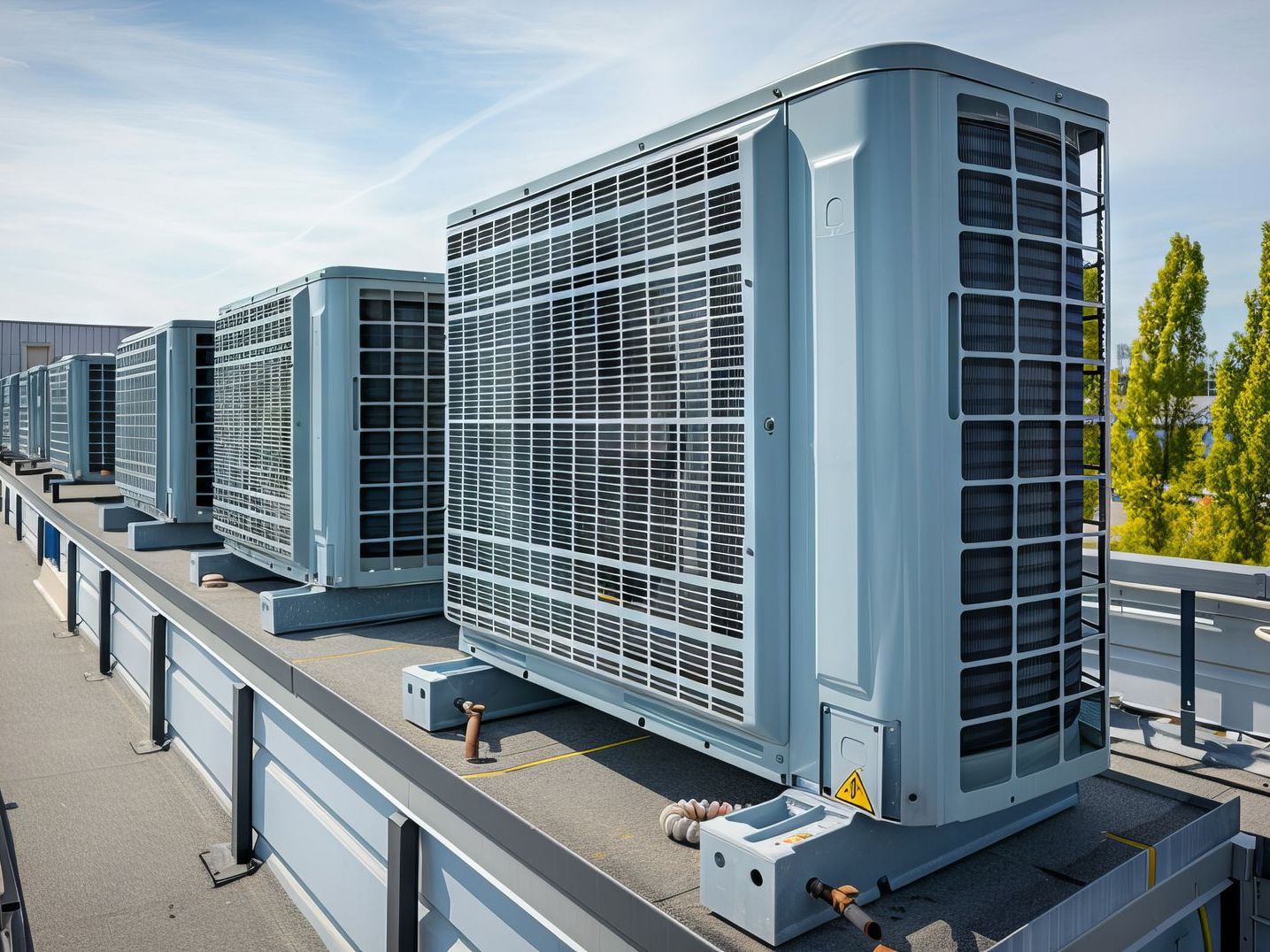
Heating, ventilation, and air conditioning systems also play a crucial role. Maintaining comfortable temperatures and good air quality is not just about comfort—it directly affects employee wellbeing and productivity. This is why many businesses prioritise regular air conditioning servicing as part of their office maintenance plan.
Cleaning and hygiene support often overlaps with maintenance, particularly in shared or high-traffic workspaces. While not always included in every contract, it is frequently integrated into a wider facilities management approach.
Why is office maintenance important for businesses in London?
London offices face unique challenges compared to other locations. High occupancy levels, older buildings, and constant use mean that systems and infrastructure are under more strain. Without a clear maintenance strategy, issues can escalate quickly.
Effective office maintenance helps prevent unexpected downtime. A small fault, such as a failing air conditioning unit or electrical issue, can disrupt an entire working day if not addressed quickly. Regular maintenance reduces the likelihood of these disruptions.
There are also compliance considerations. Businesses must meet health and safety standards, and failing to maintain systems properly can lead to legal risks as well as safety concerns. Office maintenance ensures that your workplace meets the required regulations.
Cost control is another major factor. While some businesses delay maintenance to save money, this often leads to higher repair costs later. Planned maintenance is usually far more cost-effective than dealing with emergency breakdowns.
Planned vs reactive maintenance: what’s the difference?
Understanding the difference between planned and reactive maintenance is key to managing an office effectively.
Planned maintenance involves scheduled inspections and servicing. This might include regular air conditioning servicing, electrical testing, or routine building checks. The goal is to identify and fix issues before they become serious problems.
Reactive maintenance, on the other hand, is carried out when something goes wrong. This could be anything from a broken light fitting to a full system failure. While reactive maintenance is unavoidable, relying on it too heavily can lead to increased costs and operational disruption.
Most London businesses benefit from a balanced approach, where planned maintenance reduces the need for reactive repairs.
How often should office maintenance be carried out?
The frequency of office maintenance depends on the type of systems in place and how heavily the workspace is used. However, some elements require regular attention.
Air conditioning systems typically need servicing at least once or twice a year, especially in offices where they are used daily. Electrical systems may require periodic inspections depending on usage and compliance requirements.
General maintenance checks are often carried out monthly or quarterly to ensure everything remains in good working condition. Businesses that operate in high-demand environments may require more frequent servicing.
Ultimately, the best approach is to have a structured maintenance schedule tailored to your specific workplace.
Should you outsource office maintenance services?
Many businesses in London choose to outsource office maintenance rather than manage it internally. This allows access to specialist expertise, faster response times, and a more consistent level of service.
Outsourcing also simplifies management. Instead of coordinating multiple contractors, businesses can rely on a single provider to handle all aspects of maintenance, from air conditioning to general repairs.
For growing companies, this approach often provides better long-term value and reduces the risk of overlooked issues.
FAQs: Office Maintenance
What is included in office maintenance services?
Office maintenance services typically include general repairs, electrical maintenance, air conditioning servicing, heating system support, and overall building upkeep. The exact services will depend on the needs of the business and the size of the workspace.
How much does office maintenance cost in London?
The cost of office maintenance in London varies depending on the size of the building, the level of service required, and whether maintenance is planned or reactive. Businesses often find that planned maintenance contracts provide better value over time.
Is air conditioning part of office maintenance?
Yes, air conditioning is a key part of office maintenance. Regular servicing helps maintain air quality, improve energy efficiency, and prevent breakdowns, especially in busy office environments.
What is the difference between facilities management and office maintenance?
Office maintenance focuses specifically on the upkeep and repair of a workspace, while facilities management is a broader service that can include cleaning, security, and overall building management.
How can I improve office maintenance in my business?
Improving office maintenance usually starts with a structured plan. Regular servicing, clear reporting, and working with a reliable provider can help ensure your workplace remains safe, efficient, and well-maintained.
Final thoughts
Office maintenance is not just about fixing problems when they arise. It’s about creating a reliable, safe, and efficient working environment that supports your business every day.
For London businesses in particular, where buildings are heavily used and expectations are high, having a clear maintenance strategy is essential. Whether through planned servicing, reactive support, or a fully managed solution, investing in office maintenance is ultimately an investment in your business performance.