

Planned vs Reactive Maintenance: What’s Best for Your Office?
Introduction
When it comes to managing an office environment, maintenance is often one of the most important but least clearly defined responsibilities. Businesses know they need to keep their workplace running smoothly, but the way maintenance is handled can vary significantly.
Two of the most common approaches are planned maintenance and reactive maintenance. Understanding the difference between them—and which is best for your office—can have a direct impact on costs, productivity, and long-term performance.
What is planned maintenance?
Planned maintenance refers to scheduled servicing and upkeep that is carried out at regular intervals. Instead of waiting for something to go wrong, maintenance tasks are organised in advance to keep systems and infrastructure in good condition.
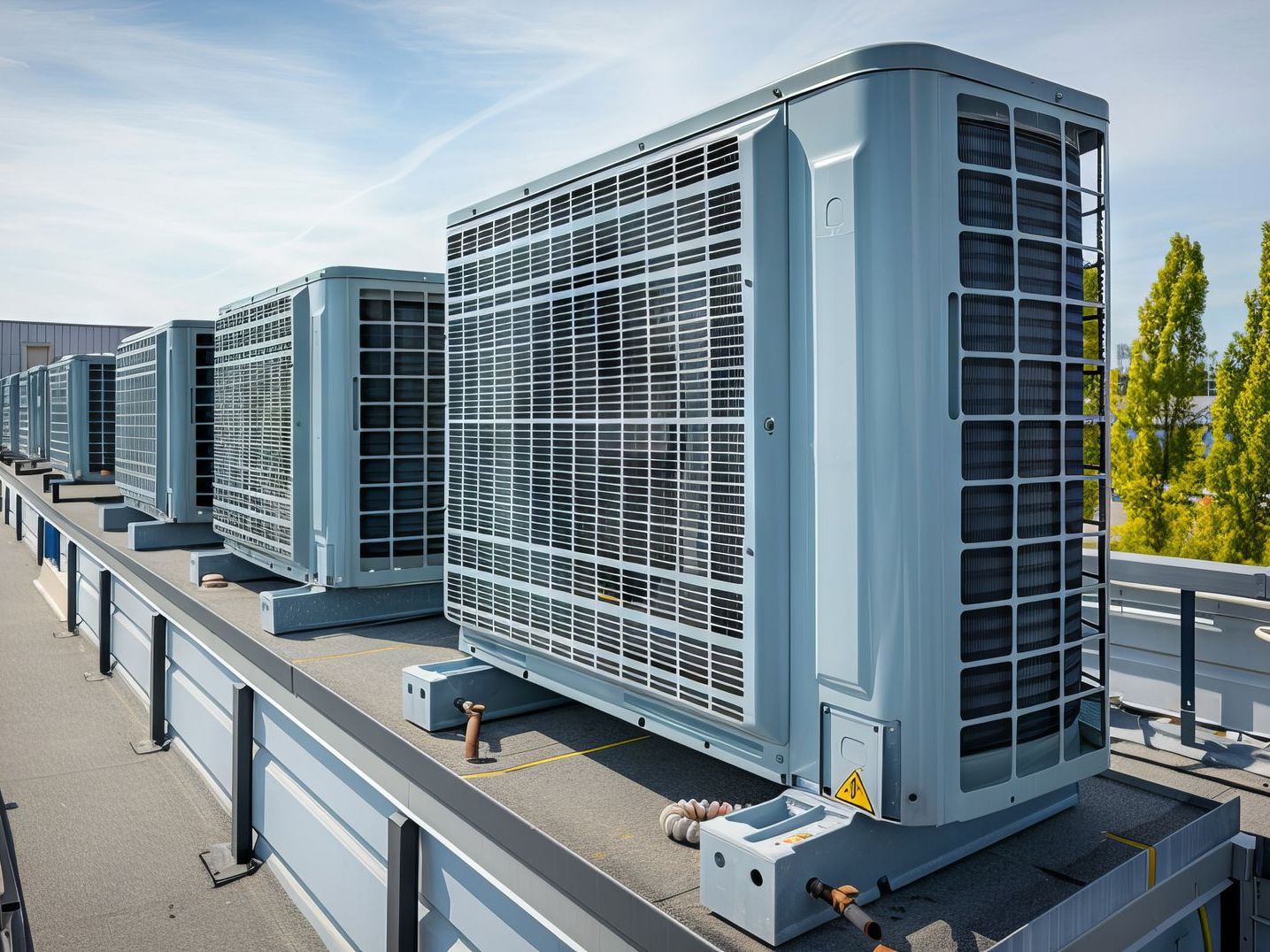
In an office setting, this might include regular air conditioning servicing, electrical inspections, and general building checks. The goal is to identify potential issues early and resolve them before they become more serious.
For many London businesses, planned maintenance forms the foundation of a reliable facilities strategy, particularly in high-use environments where equipment is under constant demand.\
What is reactive maintenance?
Reactive maintenance, as the name suggests, takes place after a problem has already occurred. This could involve repairing a broken air conditioning unit, fixing electrical faults, or addressing unexpected damage within the office.
While reactive maintenance is sometimes unavoidable, relying on it as the primary approach can lead to disruption. Issues often arise at inconvenient times, and urgent repairs can interrupt daily operations.
In busy office environments, even a small fault can quickly escalate if it is not addressed promptly, which is why reactive maintenance is typically used alongside a more proactive strategy.
Key differences between planned and reactive maintenance
The main difference between planned and reactive maintenance lies in timing. Planned maintenance is proactive, while reactive maintenance is responsive.
With planned maintenance, businesses can schedule work around their operations, reducing disruption and maintaining consistency. Reactive maintenance, on the other hand, often requires immediate attention, which can interrupt workflows and affect productivity.
There is also a difference in cost management. Planned maintenance allows for predictable budgeting, while reactive repairs can be more difficult to anticipate and often come with higher costs, particularly in emergency situations.
Which approach is more cost-effective?
At first glance, reactive maintenance may seem more cost-effective because there are no ongoing servicing costs. However, this approach often leads to higher expenses over time.
When systems are not regularly maintained, they are more likely to fail. These failures can result in expensive repairs, equipment replacement, and operational downtime. In contrast, planned maintenance helps prevent these issues, making it a more stable and cost-effective option in the long run.
For offices in London, where downtime can quickly impact business operations, the value of preventing disruption is often just as important as the direct financial cost.
How maintenance affects office productivity
Maintenance has a direct impact on how smoothly an office operates. When systems such as air conditioning, lighting, or electrical infrastructure fail, it can create an uncomfortable or even unsafe working environment.
Planned maintenance helps ensure that these systems continue to function properly, supporting a consistent and productive workplace. Employees are less likely to experience disruptions, and businesses can operate without unexpected interruptions.
Reactive maintenance, while necessary in certain situations, often leads to short-term disruption. Even when repairs are carried out quickly, the impact on productivity can still be noticeable.
Why most businesses use a combination of both
In reality, most offices do not rely entirely on one approach. A combination of planned and reactive maintenance is usually the most practical solution.
Planned maintenance reduces the likelihood of problems occurring, while reactive maintenance ensures that any unexpected issues are resolved quickly. Together, they create a balanced approach that supports both prevention and responsiveness.
The key is to ensure that planned maintenance is prioritised, with reactive maintenance used as a backup rather than the primary strategy.
Choosing the right maintenance strategy for your office
The best approach depends on the size of your office, the complexity of your systems, and how your workspace is used. Larger offices with more equipment typically benefit from a structured planned maintenance programme, while smaller spaces may require a simpler approach.
However, in most cases, investing in regular maintenance leads to better long-term outcomes. It reduces risk, improves efficiency, and helps maintain a professional working environment.
For London businesses, where office spaces are often heavily used and expectations are high, having a clear maintenance strategy is essential.
FAQs: Planned vs Reactive Maintenance
What is the difference between planned and reactive maintenance?
Planned maintenance is carried out on a scheduled basis to prevent issues, while reactive maintenance takes place after a problem has already occurred.
Is planned maintenance better than reactive maintenance?
In most cases, planned maintenance is more effective because it helps prevent breakdowns, reduces costs over time, and minimises disruption to the workplace.
Can reactive maintenance be avoided completely?
No, reactive maintenance cannot be avoided entirely. However, regular planned maintenance can significantly reduce how often it is needed.
Which is more expensive: planned or reactive maintenance?
Reactive maintenance often becomes more expensive over time due to emergency repairs and unexpected failures, while planned maintenance allows for more predictable costs.
Why is maintenance important in an office environment?
Maintenance ensures that systems and infrastructure remain safe, functional, and efficient, supporting productivity and compliance with workplace standards.
Building a more reliable maintenance approach
Choosing how to manage office maintenance is not just a technical decision—it’s a strategic one. The way maintenance is handled affects everything from daily operations to long-term costs and employee experience.
By focusing on planned maintenance while still allowing for reactive support when needed, businesses can create a more stable and efficient working environment. In a fast-paced setting like London, this balance is key to keeping your office running without interruption.