
5 Common Facilities Management Challenges — And How Planned Maintenance Helps Solve Them
Facilities Management Is More Challenging Than Ever
Running a commercial building — or multiple sites — comes with a long list of responsibilities. You’re dealing with aging infrastructure, rising energy costs, compliance pressures, and the ongoing expectation that everything should run smoothly without interruption.
It’s no surprise that many UK organisations feel stretched. Facilities teams are expected to keep buildings safe, comfortable, efficient, and compliant, all while working within tight budgets. And when something goes wrong unexpectedly, the consequences can be expensive and disruptive.
This is why more businesses are turning to Planned Preventive Maintenance (PPM). Instead of reacting to emergencies, they’re choosing a proactive strategy that avoids them altogether.
Let’s look at the five biggest challenges UK businesses face — and how planned maintenance solves each one.
1. The Rising Cost of Reactive Repairs
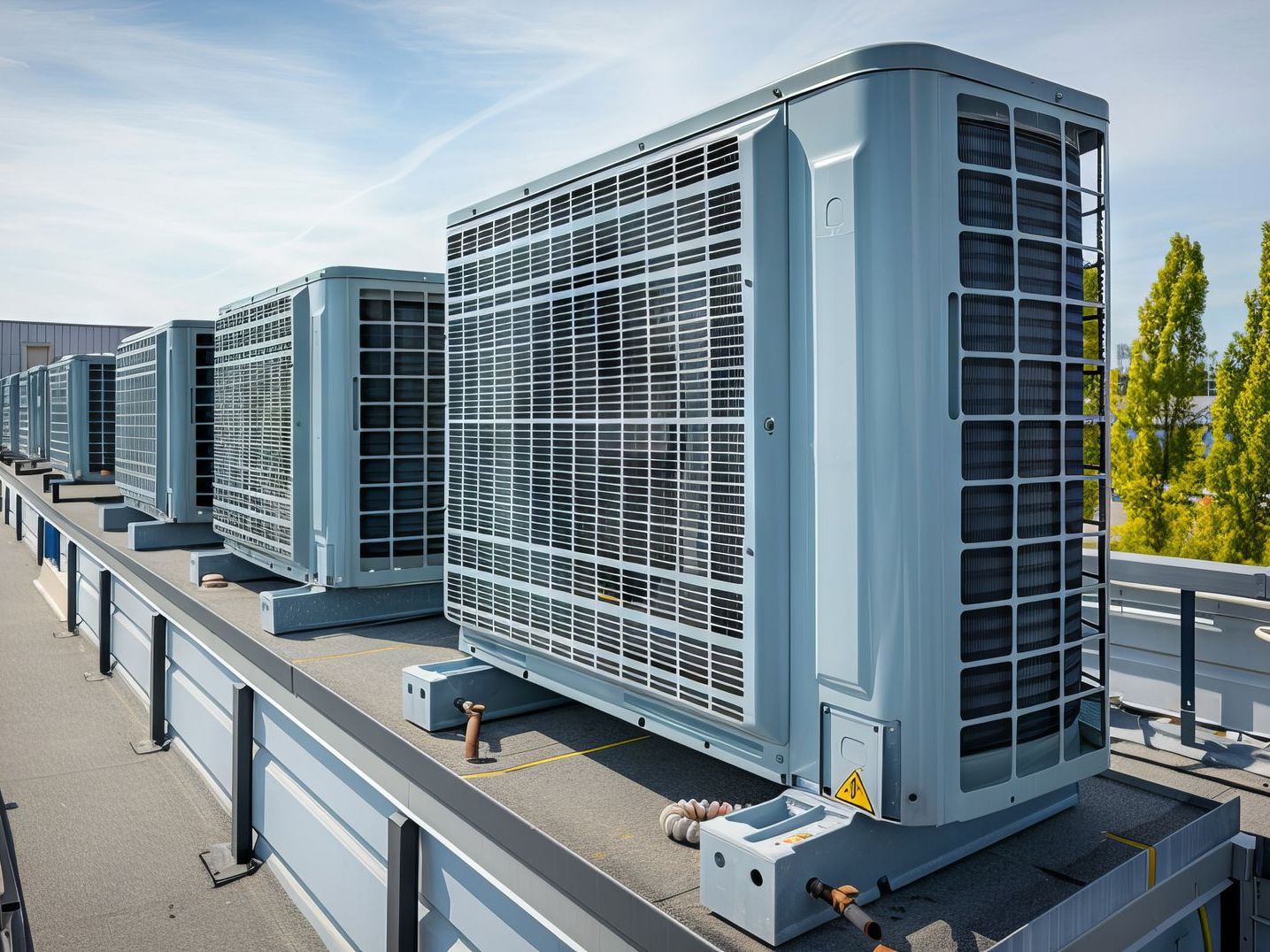
Unexpected breakdowns often hit at the worst possible time. Whether it's a failed HVAC unit in the middle of summer or a critical electrical issue that halts operations, reactive repairs are almost always more costly than planned ones.
When equipment fails suddenly, you pay for emergency call-outs, premium parts, overtime labour, and often some level of operational downtime. These costs add up quickly.
Planned maintenance flips this on its head. By checking systems regularly, Tradeforce can spot the early signs of wear and tear before anything breaks. This means repairs are scheduled at convenient times, budgets stay predictable, and buildings avoid costly interruptions.
2. Energy Waste and Rising Utility Bills
Many businesses don’t realise how much energy they waste every day. HVAC systems that aren’t serviced regularly work harder than they should. Lighting circuits become inefficient. Motors, pumps, and fans degrade over time, using more power to do the same job.
All of this drives up energy bills.
Planned maintenance keeps equipment running efficiently, helping businesses cut waste and reduce their carbon footprint. For organisations working toward sustainability goals or UK net-zero commitments, this proactive approach is essential.
A well-maintained building uses less energy — and that saves money month after month.
3. Keeping Up with Compliance and Safety Regulations
UK businesses face strict compliance and safety requirements across every sector. From fire safety standards and HVAC checks to electrical inspections and air quality regulations, the list gets longer every year.
The challenge isn’t just meeting these standards — it’s proving compliance with accurate, up-to-date documentation.
Planned maintenance ensures nothing gets missed. With scheduled inspections, detailed reporting, and regular equipment checks, organisations can demonstrate compliance with confidence. Tradeforce handles all documentation, giving clients a clear audit trail for every site.
This removes the stress of last-minute checks and reduces the risk of fines, penalties, or unsafe working conditions.
4. Downtime That Disrupts Operations
When facilities fail, operations stop — and downtime is expensive. In retail, it means lost sales. In offices, it means lost productivity. In healthcare or education, downtime can create serious safety and operational issues.
Many breakdowns are avoidable. Equipment rarely fails without warning; there are usually months of subtle signs leading up to it.
With regular inspections, Tradeforce can identify unusual noises, reduced performance, drops in airflow, electrical irregularities, or other early symptoms that systems are approaching failure. Fixing these issues early prevents sudden breakdowns, ensuring buildings stay open, productive, and safe.
5. Managing Multiple Sites with Consistency
For businesses with several locations, maintaining consistency is one of their biggest challenges. Different sites often have different contractors, maintenance standards, reporting styles, and service quality levels. This inconsistency creates risk and makes it difficult to compare performance or track issues across the estate.
Planned maintenance delivered by a single nationwide provider solves this problem completely.
Tradeforce creates unified maintenance plans, consistent reporting standards, and a single point of contact for all sites. This gives organisations full visibility and control, no matter how large the property portfolio is.
How Planned Maintenance Benefits Every Type of Facility
Whether you manage an office, warehouse, school, hospital, retail space, or government building, planned maintenance offers clear advantages:
- Equipment lasts longer
- Energy use becomes more efficient
- Compliance becomes easier
- Breakdowns become rare
- Operational budgets become more predictable
Instead of reacting to problems, your facilities team stays ahead of them — and your buildings run better as a result.
Why Businesses Choose Tradeforce for PPM
Tradeforce Facilities Management delivers nationwide planned maintenance across the UK, supporting businesses in every sector. Our engineers combine technical expertise with proactive service, ensuring buildings operate safely, efficiently, and with minimal disruption.
Clients choose Tradeforce because they want:
- A reliable FM partner with nationwide coverage
- Clear communication and reporting
- Proactive maintenance that reduces downtime
- Fully compliant documentation
- Multi-service support across HVAC, electrical, mechanical, and more
We focus on long-term building health, helping clients reduce costs and future-proof their assets.
Take Control of Your Building’s Maintenance
If your organisation wants to reduce downtime, cut energy costs, and stay compliant without the stress of reactive repairs, planned maintenance is the solution.
Tradeforce can design a tailored maintenance plan based on your building’s needs, usage, and long-term goals.
Contact Tradeforce today to discuss your Planned Preventive Maintenance strategy.