How Effective Ventilation and AHU Maintenance Improve Air Quality in the Workplace

Why Air Quality Should Be a Priority for Every Workplace

In today’s working environments, indoor air quality (IAQ) has become a critical factor for both health and productivity. Poor ventilation can lead to a buildup of carbon dioxide, dust, allergens, and airborne contaminants — all of which affect concentration, comfort, and overall wellbeing.


As UK businesses focus on employee welfare and sustainability, maintaining clean, efficient air systems is no longer optional — it’s essential. This is where regular ventilation and AHU (Air Handling Unit) maintenance plays a key role.


What Is an Air Handling Unit (AHU)?

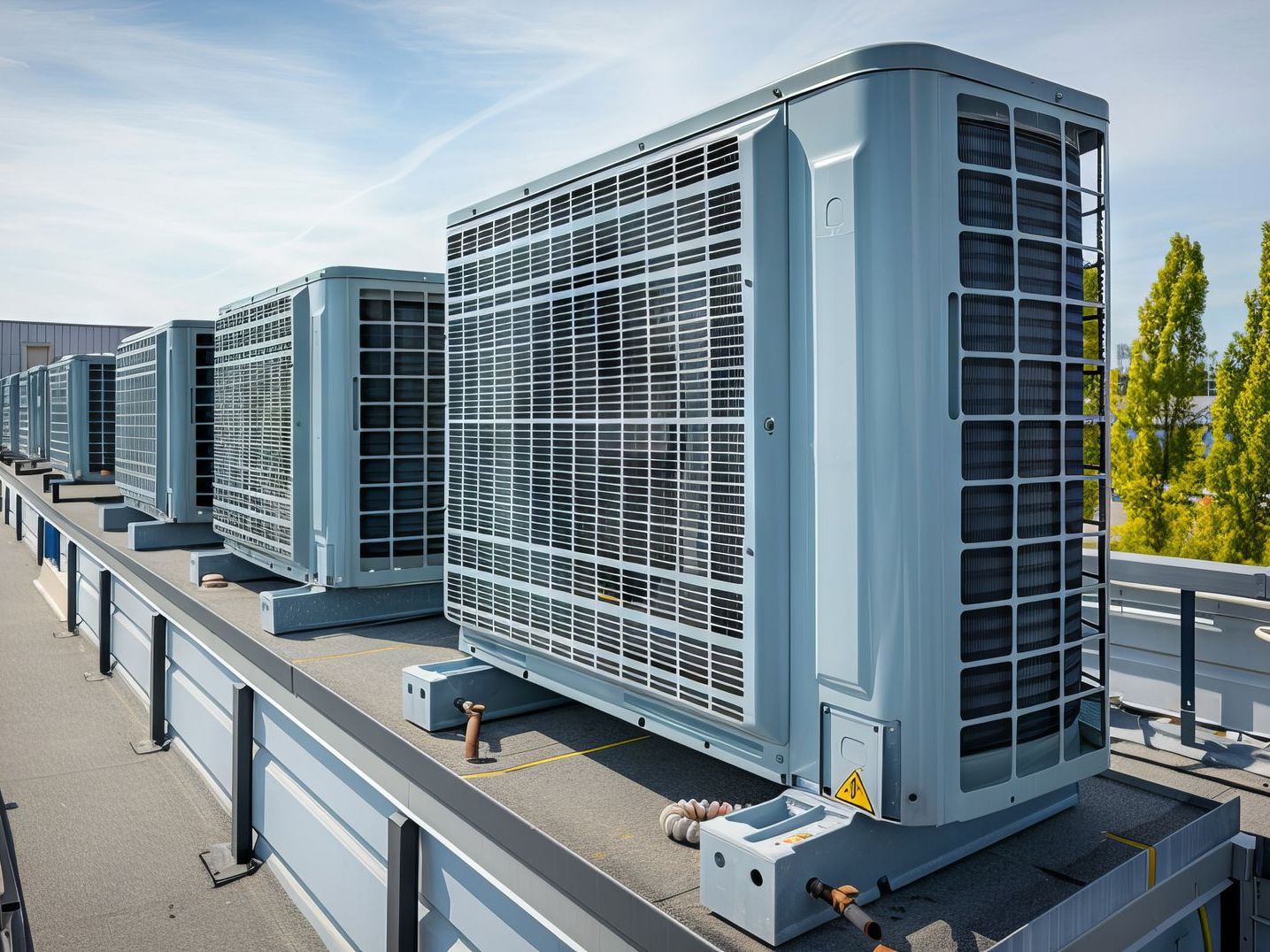
An Air Handling Unit is the heart of most modern ventilation systems. It regulates and circulates air within a building, ensuring a consistent supply of clean, temperature-controlled air. AHUs are typically made up of:

  • Filters – remove dust, pollen, and particles.
  • Heating and cooling coils – adjust air temperature.
  • Fans – circulate air throughout the building.
  • Dampers – control airflow and pressure.
  • Humidifiers – maintain optimal humidity levels.


When these components are not properly maintained, efficiency drops and indoor air quality suffers — leading to potential health risks, higher energy costs, and equipment failure.


The Impact of Poor Ventilation on Businesses

Neglecting ventilation maintenance can have hidden costs. Research shows that poorly ventilated workplaces can experience:

  • Reduced employee productivity (linked to high CO₂ levels and fatigue).
  • Increased illness and absenteeism, especially in enclosed offices.
  • Higher energy bills due to inefficient airflow and clogged filters.
  • Non-compliance with UK health and safety standards (such as COSHH and HSE ventilation guidelines).


By contrast, buildings with effective ventilation systems experience better occupant comfort, fewer complaints, and improved operational efficiency.


Benefits of Regular AHU and Ventilation Maintenance

Implementing a structured Planned Preventive Maintenance (PPM) schedule for AHUs and ventilation systems provides measurable benefits:

  1. Improved Air Quality
    Regular cleaning and filter changes ensure cleaner, fresher air — crucial for staff wellbeing and customer comfort.
  2. Energy Efficiency
    A well-maintained AHU runs more efficiently, reducing energy consumption by up to 25%. This supports both sustainability goals and lower operational costs.
  3. Extended Equipment Lifespan
    Preventive maintenance helps identify and resolve issues early, extending the life of expensive HVAC and ventilation components.
  4. Regulatory Compliance
    Keeping your air systems maintained ensures compliance with HSE, CIBSE, and building regulations — avoiding fines and downtime.
  5. Enhanced Workplace Reputation
    In a post-pandemic world, demonstrating care for air quality builds trust among employees, clients, and visitors alike.


What’s Included in a Tradeforce Ventilation Maintenance Plan

At Tradeforce Facilities Management, we deliver comprehensive ventilation and AHU maintenance services across the UK. Each maintenance plan is tailored to the building type, usage, and operational needs.

Our engineers carry out:

  • Full system inspections and airflow testing.
  • Filter cleaning and replacement schedules.
  • Coil cleaning to improve heat transfer efficiency.
  • Fan and motor checks to prevent mechanical failure.
  • Ductwork cleaning to remove dust and contaminants.
  • Performance reporting with actionable recommendations.

We also provide 24/7 support and emergency call-outs, ensuring your systems continue to operate safely and efficiently all year round.


Energy Efficiency and Sustainability

Ventilation systems can account for up to 40% of a commercial building’s total energy use. Inefficient units not only increase carbon emissions but also place unnecessary strain on electrical systems.

By investing in Tradeforce’s PPM services, businesses can:

  • Lower energy consumption.
  • Meet environmental targets (such as ISO 14001 or net-zero goals).
  • Reduce carbon footprint across multiple sites.

It’s a sustainable choice that benefits both your business and the planet.


Case Example: Improving Air Quality Across Multiple UK Sites

One recent client, a national retail chain, partnered with Tradeforce to deliver a full AHU maintenance and upgrade programme across more than 20 stores.

Within three months, they achieved:

  • 18% improvement in system efficiency.
  • Noticeably cleaner indoor air.
  • Reduced breakdown frequency.
  • Better energy performance monitoring through our digital reporting tools.

This demonstrates how proactive maintenance directly translates into real operational savings.


Partner with Tradeforce for Cleaner, Safer Workspaces

Whether you manage a corporate office, retail premises, healthcare facility, or educational site, maintaining healthy air quality is vital.


Tradeforce Facilities Management provides nationwide AHU and ventilation maintenance services to keep your air clean, systems efficient, and people safe.


Get in Touch

Protect your people, equipment, and reputation.
Contact Tradeforce today to discuss a tailored ventilation maintenance plan for your business.

January 6, 2026
Why Commercial Buildings Fail Compliance Audits – And How Facilities Management Prevents It Compliance failures in commercial buildings are more common than many property owners and facilities managers realise. From missed maintenance schedules to incomplete documentation, even well-run sites can fall short during audits. The consequences are serious: fines, enforcement notices, reputational damage, and in some cases the forced shutdown of critical operations. Understanding why compliance audits fail — and how professional facilities management prevents these issues — is essential for any organisation responsible for commercial buildings, estates, or multi-site portfolios.  What Compliance Audits Look for in Commercial Buildings Compliance audits assess whether a building meets legal, safety, and operational standards . These standards often relate to heating systems, ventilation, air quality, fire safety, electrical systems, hygiene, and general building maintenance. Auditors typically expect to see evidence of planned maintenance, system inspections, risk assessments, and up-to-date records that demonstrate ongoing compliance rather than last-minute fixes. Buildings that rely heavily on reactive maintenance are significantly more likely to fail. The Most Common Reasons Commercial Buildings Fail Audits One of the most frequent causes of audit failure is inconsistent maintenance. When servicing is carried out only after breakdowns occur, critical systems such as HVAC, ventilation, and safety equipment often fall outside required standards. Another major issue is poor documentation. Even when maintenance work has been completed, missing service logs, outdated certificates, or unclear records can result in non-compliance. Auditors require clear proof that systems have been inspected, maintained, and tested at the correct intervals. Lack of accountability also plays a role. When multiple contractors are responsible for different parts of a building, gaps in responsibility can occur. This often leads to missed inspections, duplicated work, or assumptions that another party is handling compliance. Finally, ageing infrastructure is a growing problem. Older plant and equipment may still function but no longer meet current regulations. Without proactive assessment and upgrade planning, these systems can quickly become compliance risks. How Facilities Management Prevents Compliance Failures Professional facilities management takes a proactive approach to compliance . Instead of reacting to problems, facilities management providers implement structured maintenance programmes designed to keep buildings compliant at all times. Planned preventative maintenance is a key element. By scheduling regular inspections and servicing, issues are identified and resolved before they become failures. This reduces risk, controls costs, and ensures systems consistently meet regulatory standards. Facilities management also centralises compliance documentation. Service records, certificates, inspection reports, and audit trails are maintained in an organised and accessible way, making audits smoother and far less stressful. Another advantage is accountability. With a single facilities management partner overseeing multiple services, responsibility is clearly defined. Nothing is missed, and compliance is managed holistically rather than in isolation. Where infrastructure is approaching the end of its operational life, facilities management providers can advise on replacement planning. Upgrading systems in a controlled, compliant manner is far more effective than waiting for failures that trigger enforcement action. The Role of Compliance in Cost Control and Risk Reduction Compliance is not just about avoiding fines. Poorly maintained systems are less efficient, more prone to breakdowns, and more expensive to run. Heating and ventilation systems that are not properly serviced can increase energy consumption, reduce occupant comfort, and shorten asset lifespan. By maintaining compliance through structured facilities management , organisations reduce unplanned downtime, extend the life of critical assets , and gain better visibility of long-term maintenance costs . This makes budgeting more predictable and protects business continuity. Why Facilities Managers and Property Owners Are Re-thinking Their Approach Increasing regulatory pressure means audits are becoming more thorough and less forgiving. Facilities managers are under growing scrutiny to demonstrate compliance, not just claim it. As a result, many organisations are moving away from fragmented contractor models and towards integrated facilities management. This approach provides better oversight, stronger compliance control, and clearer accountability across all building systems. Staying Audit-Ready at All Times The most successful commercial buildings treat compliance as an ongoing process , not a once-a-year exercise. With the right facilities management support, audits become a confirmation of good practice rather than a source of risk. Proactive maintenance, clear documentation, and expert oversight ensure buildings remain safe, efficient, and compliant — protecting both occupants and the organisations that manage them.
January 6, 2026
Reactive vs Planned Maintenance: Which Costs Commercial Property Owners More Over Time? For many commercial property owners and facilities managers, maintenance decisions are often driven by urgency rather than strategy. A system fails, a contractor is called, and the issue is fixed — until the next breakdown occurs. While this reactive approach may appear cost-effective in the short term, it almost always leads to higher long-term costs, increased risk, and operational disruption. Understanding the difference between reactive maintenance and planned preventative maintenance is critical for organisations responsible for commercial buildings. What Is Reactive Maintenance? Reactive maintenance refers to repairs carried out only after equipment or systems fail. This approach is common in buildings without structured maintenance plans or where budgets are focused solely on immediate issues. While reactive maintenance may reduce short-term expenditure, it often results in emergency call-out costs, unplanned downtime, and higher repair expenses. More importantly, it increases the likelihood of compliance failures, safety risks, and asset degradation. What Is Planned Preventative Maintenance? Planned preventative maintenance involves scheduled inspections, servicing, and minor repairs designed to prevent breakdowns before they occur. This approach focuses on maintaining systems such as HVAC, ventilation, electrical infrastructure, and safety equipment at optimal performance levels. Planned maintenance is proactive, predictable, and structured. It allows facilities managers to identify issues early, reduce disruption, and maintain compliance with regulatory requirements. The Hidden Costs of Reactive Maintenance One of the biggest misconceptions about reactive maintenance is that it saves money. In reality, emergency repairs are significantly more expensive than planned work. Call-out fees, premium labour rates, and rushed part replacements all add up quickly. Reactive maintenance also increases downtime. When critical systems such as heating, cooling, or ventilation fail unexpectedly, businesses may be forced to suspend operations, relocate staff, or deal with occupant complaints. These indirect costs are rarely factored into maintenance budgets but can be substantial. Additionally, systems that are only repaired when they fail tend to have shorter lifespans. Without routine servicing, wear and tear accelerates, leading to premature replacement and higher capital expenditure. Why Planned Maintenance Reduces Long-Term Costs Planned preventative maintenance spreads costs evenly across the year, making budgeting more predictable. Regular servicing keeps systems running efficiently, reduces energy consumption, and minimises the risk of catastrophic failure. By identifying minor issues early, planned maintenance prevents small problems from becoming major repairs. This protects asset value and extends the operational life of critical infrastructure. Planned maintenance also supports compliance. Many regulations require evidence of regular inspections and servicing. Buildings with structured maintenance programmes are far less likely to fail audits or face enforcement action. The Business Case for Planned Maintenance in Commercial Buildings For commercial property owners, the choice between reactive and planned maintenance is not just operational — it is strategic. Planned maintenance improves reliability, protects reputation, and supports long-term asset management. Facilities managers benefit from fewer emergencies, clearer reporting, and greater control over building performance. Senior stakeholders benefit from reduced risk, lower total cost of ownership, and improved occupant satisfaction.  Moving from Reactive to Proactive Maintenance Transitioning from reactive maintenance to a planned approach does not require immediate large-scale change. Many organisations start by introducing planned preventative maintenance for their most critical systems, such as HVAC, ventilation, and life-safety equipment. Working with an experienced facilities management provider allows organisations to implement structured maintenance programmes tailored to their buildings, usage patterns, and compliance requirements. Why Planned Maintenance Is the Smarter Investment Over time, planned preventative maintenance consistently proves to be the more cost-effective, reliable, and compliant approach. While reactive maintenance may seem cheaper at first glance, the long-term financial and operational impact tells a different story. For commercial buildings, investing in planned maintenance is not an expense — it is a safeguard against disruption, inefficiency, and unnecessary cost.
January 6, 2026
How Poor HVAC Maintenance Impacts Productivity, Energy Costs and Tenant Satisfaction Heating, ventilation and air conditioning systems play a critical role in commercial buildings, yet HVAC maintenance is often undervalued until problems arise. Poorly maintained HVAC systems don’t just affect temperature control — they directly impact productivity, operating costs, compliance, and how occupants experience a building. For facilities managers and property owners, understanding the true impact of HVAC maintenance is essential to protecting both building performance and business outcomes. The Link Between HVAC Performance and Workplace Productivity Indoor comfort has a measurable effect on productivity. Inconsistent temperatures, poor air quality, and inadequate ventilation can cause discomfort, fatigue, and reduced concentration among occupants. When HVAC systems are not properly maintained, airflow becomes unbalanced, filters clog, and temperature control becomes unreliable. This leads to complaints, increased absenteeism, and reduced workplace performance — especially in office environments where comfort is critical. In commercial buildings with high occupancy levels, poor HVAC performance can also increase the risk of airborne contaminants circulating through the space, further affecting occupant wellbeing. Rising Energy Costs Caused by Poor HVAC Maintenance One of the most immediate impacts of inadequate HVAC maintenance is increased energy consumption. Systems that are dirty, uncalibrated, or operating with worn components require more energy to achieve the same output. Inefficient HVAC systems can significantly increase energy bills over time. Faulty controls, blocked coils, and poorly maintained air handling units force systems to run longer and harder than necessary, driving up operational costs. Regular HVAC servicing ensures systems operate at peak efficiency, reducing energy waste and supporting sustainability targets. Compliance Risks and Operational Disruption Commercial HVAC systems are subject to regulatory requirements relating to safety, air quality, and system performance. Failure to maintain these systems properly increases the risk of non-compliance during audits or inspections. Unexpected HVAC failures can also cause operational disruption. Heating or cooling outages may result in temporary building closures, loss of business continuity, or emergency repair costs that far exceed planned maintenance budgets. A proactive maintenance approach reduces these risks by identifying potential issues before they escalate into failures. The Impact on Tenant and Occupant Satisfaction For property owners and managing agents, HVAC performance directly influences tenant satisfaction. Consistent comfort, good air quality, and reliable system performance contribute to positive tenant experiences and long-term occupancy. Poor HVAC maintenance, on the other hand, leads to complaints, reputational damage, and increased tenant turnover. In competitive commercial property markets, these issues can affect asset value and rental potential. Why Planned HVAC Maintenance Delivers Long-Term Value Planned HVAC maintenance provides a structured approach to system care. Scheduled inspections, servicing, and performance checks ensure systems remain efficient, compliant, and reliable throughout their lifecycle. By maintaining HVAC systems proactively, facilities managers gain greater control over costs, reduce emergency call-outs, and extend the lifespan of critical equipment. This supports predictable budgeting and long-term asset management. Planned maintenance also integrates seamlessly with wider facilities management strategies, aligning HVAC performance with ventilation, air quality, and overall building compliance. Taking a Proactive Approach to HVAC Management The most effective commercial buildings treat HVAC maintenance as an ongoing investment rather than a reactive expense. Partnering with an experienced facilities management provider allows organisations to implement tailored maintenance programmes that reflect building usage, occupancy patterns, and regulatory requirements. This proactive approach protects productivity, controls energy costs, and enhances occupant satisfaction — delivering measurable value over time. Why HVAC Maintenance Should Be a Strategic Priority Poor HVAC maintenance affects far more than comfort. It impacts energy efficiency, compliance, reputation, and the overall performance of commercial buildings.  For organisations looking to reduce risk and improve building outcomes, investing in structured HVAC maintenance is a strategic decision that delivers long-term benefits.
January 6, 2026
Managing Multiple Contractors vs One Facilities Management Partner: What Works Best? Managing a commercial building or estate often involves coordinating multiple contractors for heating, ventilation, cleaning, security, maintenance, and compliance. While this approach may seem flexible, it frequently leads to inefficiencies, increased risk, and higher long-term costs. More organisations are now reassessing this model and choosing to work with a single facilities management partner instead. Understanding the differences between managing multiple contractors and appointing one integrated provider can help property owners and facilities managers make more effective decisions. The Challenges of Managing Multiple Contractors Using multiple contractors often results in fragmented responsibility. Each supplier focuses on their own scope, which can lead to gaps in maintenance coverage, inconsistent service levels, and unclear accountability when issues arise. Coordination becomes a major challenge. Facilities managers may spend significant time scheduling visits, resolving conflicts between contractors, and chasing reports or documentation. This administrative burden reduces efficiency and distracts from strategic asset management. Compliance risk also increases when multiple suppliers are involved. Maintenance schedules, inspection records, and certification may be held across different systems or formats, making audits more complex and increasing the likelihood of missing critical requirements. Hidden Costs of a Fragmented Maintenance Approach While individual contractor rates may appear competitive, managing multiple suppliers often results in higher overall costs. Emergency call-outs, duplicated work, and inconsistent maintenance standards can quickly erode any short-term savings. Reactive maintenance becomes more common in fragmented setups, as no single provider has full oversight of building systems. This leads to unplanned downtime, premature equipment failure, and increased capital expenditure on replacements. The Benefits of a Single Facilities Management Partner Working with one facilities management partner provides a central point of accountability. All services are coordinated under a unified strategy, ensuring nothing is overlooked and responsibilities are clearly defined. An integrated approach allows maintenance to be planned holistically. HVAC, ventilation, compliance checks, cleaning, and security services can be aligned to minimise disruption and optimise performance across the entire building. Facilities management partners also centralise reporting and documentation. This simplifies compliance management, supports audit readiness, and provides clear visibility of building performance and maintenance activity. Improved Compliance and Risk Management A single facilities management provider takes ownership of compliance across all relevant systems. Planned preventative maintenance schedules are implemented consistently, reducing the risk of missed inspections or expired certifications. With clear oversight, potential compliance issues are identified early, allowing corrective action before problems escalate into enforcement notices or operational disruption. Cost Control and Long-Term Asset Protection Integrated facilities management enables better cost control through structured maintenance planning and reduced emergency interventions. Assets are maintained proactively, extending their lifespan and improving return on investment. Budgeting also becomes more predictable. Facilities managers gain a clearer understanding of maintenance costs, future upgrades, and long-term asset strategies, supporting informed decision-making. When Multiple Contractors May Still Be Used In some cases, specialist or short-term projects may still require additional contractors. However, even in these situations, having a facilities management partner to oversee coordination and compliance ensures consistency and reduces risk. Choosing the Right Facilities Management Partner Selecting the right facilities management partner is critical. Experience, sector knowledge, compliance expertise, and transparent reporting should all be considered. A strong partner acts as an extension of your organisation, supporting operational goals while protecting assets and occupants. Why More Organisations Are Making the Switch As buildings become more complex and regulatory requirements increase, the limitations of managing multiple contractors become more apparent. Integrated facilities management offers clarity, efficiency, and control in an increasingly demanding environment. For commercial property owners and facilities managers, partnering with a single facilities management provider is not just about convenience — it is about reducing risk, improving performance, and safeguarding long-term value.
November 25, 2025
Maintenance Decisions Matter More Than Most People Think Every building needs maintenance, but how you choose to maintain it can make a huge difference to your costs, downtime, energy use and overall reliability. Many businesses still rely heavily on reactive maintenance — waiting for something to break before fixing it. It feels simple, but in reality, it often leads to higher costs and repeated disruptions. Planned maintenance, on the other hand, takes a proactive approach. Instead of waiting for failure, assets are checked, serviced, and repaired before problems escalate. Both methods have their place, but one delivers better results in almost every scenario. Let’s explore why. What Reactive Maintenance Really Looks Like Reactive maintenance sounds straightforward: something breaks, and you repair or replace it. For certain low-risk assets, this approach can work perfectly well. But for most critical building systems — HVAC, electrical, plumbing, ventilation, fire safety — waiting for a failure is risky and expensive. Breakdowns rarely happen at convenient times. They interrupt operations, require urgent call-outs, and often cost significantly more to fix than a scheduled repair would have. And because faults usually develop over months, you’re often dealing with issues that could have been prevented entirely. It’s a stressful way to run a building — and the costs add up fast. How Planned Maintenance Changes Everything Planned Preventive Maintenance (PPM) takes a completely different approach. Instead of reacting to breakdowns, you inspect equipment regularly and carry out servicing at sensible intervals. This allows you to catch small issues before they become major failures. Tradeforce’s maintenance programmes are built around detailed asset schedules, manufacturer guidance, and building usage patterns. When systems are monitored and cared for consistently, they simply perform better. They use less energy, experience fewer breakdowns, and last far longer. Planned maintenance gives you control, predictability, and peace of mind — something reactive maintenance never can. The True Cost Differences Between Reactive and Planned Maintenance Many businesses start with reactive maintenance because it seems cheaper. You only pay when something goes wrong. But the reality is very different when you look at the long-term picture. A single unexpected breakdown may include emergency call-out fees, higher-priced parts, overtime labour, and downtime that affects your entire operation. Repeat that two or three times a year, and costs quickly spiral. Planned maintenance spreads costs evenly throughout the year. You know what you’re spending, when you’re spending it, and you eliminate the panic, disruption, and inflated prices associated with emergencies. In almost all cases, proactive maintenance ends up significantly cheaper over time. Energy Consumption and Asset Efficiency Another often overlooked difference lies in energy usage. Equipment that isn’t maintained works harder than it should. Fans strain, boilers burn more fuel, filters clog, motors overheat — and all of this increases energy bills. Planned maintenance ensures everything is cleaned, calibrated, and running at peak efficiency. It’s one of the easiest ways to reduce energy waste and improve your carbon footprint, especially when combined with modern, energy-efficient upgrades. Reactive maintenance doesn’t offer this. It only kicks in after damage has already been done. Compliance and Safety: A Major Factor in the UK UK businesses have strict responsibilities when it comes to electrical safety, ventilation, fire systems, water hygiene, and other essential services. Failure to comply can result in fines, legal challenges, or serious safety risks. Planned maintenance makes compliance far easier. Safety checks happen automatically, documentation stays up to date, and nothing gets overlooked. Reactive maintenance, by definition, doesn’t guarantee any of this — because it only addresses issues after they’ve caused disruption. For industries with high regulatory standards, like healthcare, education or retail, proactive maintenance is usually the only realistic approach. The Impact on Day-to-Day Operations Downtime is one of the biggest hidden costs in facilities management. When systems fail, operations stop — and whether you’re running a shop, office, school, or distribution centre, unexpected stoppages can create huge inconvenience. Planned maintenance significantly reduces downtime because problems are addressed early. Instead of breakdowns, you get scheduled, organised visits that don’t impact business operations. Reactive maintenance offers no such certainty. You only discover a problem when it’s too late to prevent disruption. Which Approach Is Right for Your Business? Reactive maintenance has its place, particularly for small or low-impact assets. But for anything critical to comfort, safety, compliance, or daily operation, planned maintenance is by far the better choice. Planned maintenance offers: Lower long-term costs Higher energy efficiency Fewer breakdowns Better compliance Longer equipment lifespan Predictable budgets A more reliable building overall For most organisations, it’s not just the better choice — it’s the only sustainable one. How Tradeforce Helps Businesses Move Toward Planned Maintenance Transitioning from reactive to planned maintenance can feel daunting, but Tradeforce makes the process straightforward. We carry out full asset audits, build tailored maintenance schedules, and manage every aspect of your building’s care — nationwide. Businesses choose Tradeforce because they want consistency, transparency, and a partner who understands how to keep their buildings running smoothly. We support everything from HVAC and electrical systems to ventilation, compliance checks, and complete estate management. With the right plan in place, maintenance becomes simpler, more predictable, and far more cost-effective. Ready to Switch to a Proactive Maintenance Strategy? If your business is tired of unexpected breakdowns, rising costs, and unnecessary downtime, it’s time to take control. 👉 Contact Tradeforce today to discuss a planned maintenance program tailored to your facilities.
November 25, 2025
Why Sustainability Is Becoming a Priority for Every Building Over the past few years, sustainability has shifted from a “nice to have” to a fundamental part of how UK organisations operate. Rising energy prices, stricter environmental regulations, and increasing pressure to meet net-zero commitments mean businesses can no longer ignore the impact their buildings have on the environment — or their finances. The good news? Sustainable facilities management isn’t just about being eco-friendly. When it’s done well, it makes buildings more efficient, reduces waste, extends asset life, and lowers operating costs. That’s why more organisations are starting to look closely at how their buildings are run — and how much they could save with the right sustainable strategy in place. What Sustainable Facilities Management Actually Means When people hear the word “sustainability,” they often think of solar panels or recycling bins. But in facilities management, it goes much deeper. Sustainable FM focuses on running a building in the most efficient, responsible, and cost-effective way possible. It’s about reducing the energy your equipment uses, minimising waste, improving air quality, and extending the lifespan of your infrastructure so you’re not constantly replacing expensive systems. It’s a practical, everyday approach — and one that delivers real results. Energy Efficiency: The First Step Toward Sustainability Energy is one of the biggest expenses for any building, and much of it is wasted without anyone realising. Old HVAC systems work harder than they should, lighting stays on for longer than necessary, and equipment quietly consumes electricity even when it’s not performing at its best. This is where sustainable FM really shines. Small changes, such as optimising ventilation, upgrading to LED lighting, or ensuring regular maintenance on boilers and chillers, can significantly reduce energy consumption. These improvements not only lower carbon emissions but also cut operating costs — a double win for any business. Why Planned Maintenance Is Crucial for Sustainability A building that isn’t maintained will never be a sustainable one. When systems are clogged, aging, or struggling, they use more energy and fail more frequently. That means higher emissions, higher bills, and greater risk of breakdowns. Planned Preventive Maintenance (PPM) keeps everything running at peak efficiency. By inspecting, cleaning, and servicing equipment regularly, facilities teams can catch problems early and ensure essential assets stay reliable and energy-efficient. For many organisations, the fastest and most affordable way to improve sustainability is simply through consistent maintenance. Reducing Waste and Extending Asset Life One of the lesser-known benefits of sustainable FM is that it helps businesses get more value from every asset. When equipment is well looked after, it lasts longer. When it runs more efficiently, it doesn’t strain other systems. And when it's upgraded at the right time — based on data and performance, not guesswork — organisations avoid unnecessary replacements. This approach reduces waste, supports circular economy practices, and keeps capital expenditure under control. Improving Indoor Air Quality and Employee Wellbeing Sustainability isn’t just about energy; it’s also about the people working inside the building. Poor ventilation, dirty filters, and outdated HVAC systems can all affect indoor air quality, which has a direct impact on employee health and productivity. A sustainable facilities strategy ensures air handling units are cleaned, systems are monitored, and indoor environments remain safe and comfortable. For businesses with large workforces — offices, healthcare, education, retail — this can have a huge impact on morale and overall performance. Helping Businesses Meet UK Net-Zero Targets The UK has committed to achieving net-zero carbon by 2050. For many organisations, especially those across multiple sites, this feels like a big and complex challenge. Sustainable FM helps break it down into manageable steps. By improving energy efficiency, replacing outdated equipment, and monitoring performance, businesses can start reducing emissions immediately — and demonstrate progress to stakeholders, customers, investors, and regulators. It’s a practical, realistic route to net-zero, backed by real, measurable improvements. How Tradeforce Supports Sustainable FM Across the UK At Tradeforce Facilities Management, we work with businesses of all sizes to create sustainable, efficient buildings. Our approach combines proactive maintenance, modern technology, and energy-smart upgrades to help organisations cut costs and reduce their environmental impact. We support clients with: HVAC optimisation Energy-efficient building strategies End-of-life infrastructure upgrades Planned maintenance plans Air quality improvements Smart monitoring and performance reporting Because we operate nationwide, we’re able to provide consistent sustainability strategies across single sites, multi-site portfolios, and large estates. Sustainability That Delivers Real Savings Sustainable facilities management isn’t just something businesses "should" do — it’s something that brings immediate benefits. Lower energy bills, fewer breakdowns, longer-lasting equipment, and improved working environments are just the start. With the right FM partner, sustainability becomes a natural part of how your building operates — not an added burden. Start Building a More Sustainable Future If your organisation wants to cut energy costs, lower carbon emissions, and improve overall building performance, Tradeforce can help. Contact Tradeforce today to discuss a sustainable facilities management strategy tailored to your business.
November 25, 2025
Technology Is Changing the Way We Manage Buildings Facilities management has traditionally been a hands-on, reactive industry. If something broke, an engineer was called. If a building became uncomfortable or inefficient, adjustments were made manually. But today, everything is changing — and fast. Advancements in smart technology, automation, and data analytics are reshaping the entire FM landscape. Buildings are becoming more intelligent, more efficient, and easier to manage from anywhere. And for UK businesses trying to reduce downtime, cut energy costs, and stay compliant, this shift is extremely powerful. At Tradeforce Facilities Management, we’re helping organisations adapt to this new reality and get more value from their buildings than ever before. What We Mean by “Smart Facilities Management” Smart FM refers to the use of digital tools — such as IoT sensors, AI-driven monitoring, and cloud platforms — to keep buildings running smoothly. Instead of relying solely on visual checks or scheduled inspections, technology now provides a constant stream of information on how equipment is performing. Think of it this way: If something starts to go wrong with your HVAC system, or if a room is overheating, or if an area is using more energy than usual, your facilities team knows immediately. They don't have to wait for a tenant complaint or a system failure — the building tells them. This leads to quicker decision-making, reduced downtime, and far fewer surprises. Why UK Businesses Are Moving Toward Smart FM One of the biggest reasons is cost. Reactive repairs, emergency call-outs, and inefficient equipment all add up quickly. Smart buildings, on the other hand, make maintenance far more predictable. For example, sensors can detect unusual vibrations in motors, drops in airflow, or spikes in electrical usage. These small clues often appear long before a system breaks down. With this information, clients can schedule maintenance at a convenient time, rather than scrambling during a failure. Another major driver is sustainability. As energy prices continue to rise, businesses are under pressure to reduce waste and meet environmental targets. Smart FM helps identify where energy is being lost and highlights opportunities to improve efficiency — from automated lighting controls to optimised HVAC performance. And of course, there’s the operational side. Companies with multiple sites often struggle with consistency. Smart FM gives them a clear, real-time view of every building in their portfolio, making it easier to manage performance, track compliance, and respond quickly when issues arise. The Real Benefits of Smart Maintenance When buildings become smarter, everything becomes easier. Instead of reacting to issues, facilities teams can see problems coming. That means fewer breakdowns, fewer disruptions, and a smoother day-to-day running of the building. Equipment lasts longer, and budgets become more predictable. Energy savings are another major advantage. Smart systems automatically adjust heating, cooling, ventilation, and lighting based on actual conditions — not outdated timers or manual settings. Over a year, this can significantly reduce energy consumption and carbon emissions. There’s also a strong health and safety benefit. Modern sensors can monitor indoor air quality, CO₂ levels, temperature, humidity, and occupancy. This helps ensure workplaces remain comfortable, safe, and fully aligned with UK compliance standards. In sectors like healthcare, education, and corporate spaces, this has never been more important. Technologies Driving the Future of FM Several innovations are pushing the industry forward: IoT sensors provide the data needed for predictive maintenance and real-time monitoring. Artificial intelligence helps analyse that data and identify patterns, making it possible to predict failures with impressive accuracy. Building Management Systems are becoming more advanced, offering centralised control of lighting, HVAC and energy usage. Cloud-based platforms are also becoming standard. They give facility managers, building owners, and service providers instant access to reports, asset histories, compliance documents, and performance insights — all in one place. Together, these technologies create buildings that are not only more efficient but also safer, smarter, and easier to manage. How Tradeforce Helps Businesses Embrace Smart FM Tradeforce Facilities Management supports organisations across the UK in modernising their buildings and maintenance strategies. Whether it’s integrating IoT technology, optimising existing systems, or delivering predictive maintenance programmes, we help clients transition smoothly into smarter, more efficient operations. Our nationwide team works across retail, healthcare, education, corporate, and public-sector environments, providing solutions that are tailored to each building’s unique needs. A Smarter Future for UK Facilities Management Smart technology isn’t a trend — it’s the direction our industry is heading. Buildings are becoming more connected, data-driven, and sustainable. And for businesses that rely on uninterrupted operations and cost-effective maintenance, adopting these innovations is becoming essential. Tradeforce is here to help organisations make that transition confidently, effectively, and without disruption. Start Your Smart FM Journey Today If you're ready to explore how smart technology can transform your building maintenance strategy, we’d love to help. Contact Tradeforce today for expert guidance and a tailored smart FM solution.
November 25, 2025
Technology Is Changing the Way We Manage Buildings Facilities management has traditionally been a hands-on, reactive industry. If something broke, an engineer was called. If a building became uncomfortable or inefficient, adjustments were made manually. But today, everything is changing — and fast. Advancements in smart technology, automation, and data analytics are reshaping the entire FM landscape. Buildings are becoming more intelligent, more efficient, and easier to manage from anywhere. And for UK businesses trying to reduce downtime, cut energy costs, and stay compliant, this shift is extremely powerful. At Tradeforce Facilities Management, we’re helping organisations adapt to this new reality and get more value from their buildings than ever before. What We Mean by “Smart Facilities Management” Smart FM refers to the use of digital tools — such as IoT sensors, AI-driven monitoring, and cloud platforms — to keep buildings running smoothly. Instead of relying solely on visual checks or scheduled inspections, technology now provides a constant stream of information on how equipment is performing. Think of it this way: If something starts to go wrong with your HVAC system, or if a room is overheating, or if an area is using more energy than usual, your facilities team knows immediately. They don't have to wait for a tenant complaint or a system failure — the building tells them. This leads to quicker decision-making, reduced downtime, and far fewer surprises. Why UK Businesses Are Moving Toward Smart FM One of the biggest reasons is cost. Reactive repairs, emergency call-outs, and inefficient equipment all add up quickly. Smart buildings, on the other hand, make maintenance far more predictable. For example, sensors can detect unusual vibrations in motors, drops in airflow, or spikes in electrical usage. These small clues often appear long before a system breaks down. With this information, clients can schedule maintenance at a convenient time, rather than scrambling during a failure. Another major driver is sustainability. As energy prices continue to rise, businesses are under pressure to reduce waste and meet environmental targets. Smart FM helps identify where energy is being lost and highlights opportunities to improve efficiency — from automated lighting controls to optimised HVAC performance. And of course, there’s the operational side. Companies with multiple sites often struggle with consistency. Smart FM gives them a clear, real-time view of every building in their portfolio, making it easier to manage performance, track compliance, and respond quickly when issues arise. The Real Benefits of Smart Maintenance When buildings become smarter, everything becomes easier. Instead of reacting to issues, facilities teams can see problems coming. That means fewer breakdowns, fewer disruptions, and a smoother day-to-day running of the building. Equipment lasts longer, and budgets become more predictable. Energy savings are another major advantage. Smart systems automatically adjust heating, cooling, ventilation, and lighting based on actual conditions — not outdated timers or manual settings. Over a year, this can significantly reduce energy consumption and carbon emissions. There’s also a strong health and safety benefit. Modern sensors can monitor indoor air quality, CO₂ levels, temperature, humidity, and occupancy. This helps ensure workplaces remain comfortable, safe, and fully aligned with UK compliance standards. In sectors like healthcare, education, and corporate spaces, this has never been more important. Technologies Driving the Future of FM Several innovations are pushing the industry forward: IoT sensors provide the data needed for predictive maintenance and real-time monitoring. Artificial intelligence helps analyse that data and identify patterns, making it possible to predict failures with impressive accuracy. Building Management Systems are becoming more advanced, offering centralised control of lighting, HVAC and energy usage. Cloud-based platforms are also becoming standard. They give facility managers, building owners, and service providers instant access to reports, asset histories, compliance documents, and performance insights — all in one place. Together, these technologies create buildings that are not only more efficient but also safer, smarter, and easier to manage. How Tradeforce Helps Businesses Embrace Smart FM Tradeforce Facilities Management supports organisations across the UK in modernising their buildings and maintenance strategies. Whether it’s integrating IoT technology, optimising existing systems, or delivering predictive maintenance programmes, we help clients transition smoothly into smarter, more efficient operations. Our nationwide team works across retail, healthcare, education, corporate, and public-sector environments, providing solutions that are tailored to each building’s unique needs. A Smarter Future for UK Facilities Management Smart technology isn’t a trend — it’s the direction our industry is heading. Buildings are becoming more connected, data-driven, and sustainable. And for businesses that rely on uninterrupted operations and cost-effective maintenance, adopting these innovations is becoming essential. Tradeforce is here to help organisations make that transition confidently, effectively, and without disruption. Start Your Smart FM Journey Today If you're ready to explore how smart technology can transform your building maintenance strategy, we’d love to help. Contact Tradeforce today for expert guidance and a tailored smart FM solution.
November 7, 2025
The Challenge of Managing Multiple Sites For organisations with offices, retail outlets, or properties spread across the UK, maintaining consistent standards can be a logistical challenge. Each site has its own maintenance requirements, local regulations, and operational demands — and relying on multiple local contractors can lead to inconsistency, delays, and inefficiency. That’s why nationwide facilities management (FM) has become the preferred solution for multi-site businesses looking to streamline operations, reduce costs, and maintain high service standards everywhere they operate. What Is Nationwide Facilities Management? Nationwide facilities management is the coordinated delivery of maintenance, compliance, and support services across multiple sites using a single central provider. At Tradeforce Facilities Management, this includes both hard and soft FM services, such as: Mechanical, electrical, and HVAC maintenance Cleaning and hygiene management Site security and access control Property and estate management Planned Preventive Maintenance (PPM) End-of-life infrastructure replacements By unifying all these under one trusted supplier, multi-site organisations can achieve greater consistency, reliability, and transparency. Key Benefits of a Nationwide FM Provider 1. Consistent Standards Across Every Location Whether you manage five sites or fifty, having one facilities partner ensures the same quality, compliance, and safety standards at every location. Tradeforce delivers standardised processes, KPIs, and reporting so you can compare performance across sites with complete clarity. 2. Centralised Management & Reporting A single FM partner simplifies communication and accountability, instead of managing multiple suppliers, invoices, and service contracts, you deal with one central point of contact — supported by Tradeforce’s experienced account managers and real-time reporting systems. This approach provides: Simplified procurement and administration Unified service agreements Consistent data and compliance tracking Improved decision-making through central dashboards 3. Cost Efficiency Through Scale Consolidating services with a nationwide provider delivers significant cost benefits. Tradeforce can leverage economies of scale, standardised pricing, and bulk purchasing of materials and equipment — meaning your budget goes further. Businesses often see reduced call-out costs, lower downtime, and fewer emergency repairs thanks to our proactive maintenance schedules. 4. Compliance and Safety Confidence UK businesses are subject to strict compliance regulations covering everything from fire safety to HVAC maintenance and energy management. Our team ensures every site meets the relevant legal and industry standards, including: HSE building regulations F-Gas compliance Electrical testing (EICR) Legionella control Fire safety inspections Tradeforce’s nationwide network of qualified engineers guarantees every location is compliant and audit-ready — at all times. 5. Rapid Response Anywhere in the UK With engineers and trusted partners located across the country, Tradeforce can respond quickly to urgent maintenance requests, wherever your site is based.Wherever you are, we ensure minimal disruption and fast service delivery. This capability is particularly valuable for retail and hospitality businesses where downtime directly impacts revenue and customer experience. Industries That Benefit Most from Nationwide FM Our nationwide FM solutions are ideal for organisations operating across multiple regions or properties, including: Corporate offices – consistent building management and compliance. Retail chains – clean, safe, and fully operational stores. Healthcare providers – strict hygiene and safety standards. Education groups – efficient maintenance for campuses and academies. Local government & public sector – cost-effective and compliant management of public buildings. Each sector benefits from tailored service delivery, scheduled maintenance, and a dedicated account manager overseeing all sites. Tradeforce: Your Nationwide FM Partner At Tradeforce Facilities Management, we understand the complexities of running multiple sites. Our mission is to provide seamless, scalable facilities management solutions that adapt to your organisation’s size, needs, and growth. Our nationwide service includes: Planned and reactive maintenance Real-time digital reporting and asset tracking Certified engineers across all disciplines Transparent pricing and performance reporting From routine cleaning to complex infrastructure projects, Tradeforce ensures your facilities are managed efficiently, safely, and sustainably — wherever you are in the UK. Why Multi-Site Businesses Choose Tradeforce ✔ Nationwide coverage – consistent delivery across all UK regions ✔ Multi-service expertise – one partner for mechanical, electrical, cleaning, and security ✔ Compliance assurance – full adherence to UK health and safety standards ✔ Proactive maintenance – reduce breakdowns and long-term costs ✔ Sustainability focus – helping clients meet net-zero and environmental goals Partner with a Nationwide FM Provider You Can Trust Managing multiple sites doesn’t need to be complicated. With Tradeforce Facilities Management, you gain a single, reliable partner who delivers exceptional service and measurable value across your entire UK portfolio.  Contact Tradeforce today to learn how our nationwide facilities management solutions can transform the way you manage your buildings.
November 7, 2025
What Is Planned Preventive Maintenance (PPM)? Planned Preventive Maintenance, often shortened to PPM , is a proactive approach to managing building systems and equipment. Instead of waiting for something to break down, businesses schedule regular inspections, servicing, and repairs at planned intervals. This ensures all essential assets — such as HVAC systems, lighting, plumbing, and electrical infrastructure — continue running efficiently and safely, minimising the risk of unexpected failures. Why PPM Matters for Commercial Buildings Every hour of downtime in a commercial building can cost thousands of pounds — whether it’s lost productivity, closed facilities, or unhappy tenants. PPM reduces these risks by spotting small issues before they become major problems. Key benefits include: Reduced repair costs: Routine maintenance prevents expensive emergency call-outs. Improved efficiency: Equipment runs at optimal performance, lowering energy usage. Extended asset life: Regular servicing extends the lifespan of building systems. Predictable budgeting: Planned schedules make it easier to forecast costs. Health & safety compliance: Keeps workplaces safe and aligned with UK regulations. How PPM Saves Money in the Long Run It’s easy to see maintenance as an expense, but the reality is that PPM saves money over time . When assets fail unexpectedly, businesses face not only the repair cost but also lost time, inconvenience, and potential safety issues. A well-implemented PPM strategy from Tradeforce helps you: Reduce unplanned downtime and costly disruptions. Maintain energy efficiency by keeping equipment clean and calibrated. Avoid premature replacements through consistent upkeep. For example, regular HVAC maintenance can reduce energy consumption by up to 20%, while routine electrical checks prevent costly equipment burnout. Creating a PPM Schedule That Works Effective PPM begins with a comprehensive asset audit . Tradeforce’s facilities management specialists identify all key building systems, evaluate their condition, and design a tailored maintenance plan that meets your operational needs. Your PPM schedule might include: Monthly or quarterly inspections of HVAC, lighting, and fire safety systems. Annual service of boilers, chillers, and electrical distribution. Ongoing monitoring and reporting to track asset performance. This structured approach ensures no detail is overlooked and all maintenance tasks are prioritised according to risk, compliance, and budget. The Tradeforce Advantage At Tradeforce Facilities Management , we deliver Planned Preventive Maintenance solutions across the UK — helping businesses protect assets, reduce costs, and operate efficiently. Our multi-disciplinary teams cover mechanical, electrical, HVAC, and infrastructure maintenance , ensuring every aspect of your building is expertly managed. Whether you oversee a single site or a nationwide portfolio, we provide consistent service, clear reporting, and complete peace of mind. Ready to Reduce Downtime and Improve Efficiency? Don’t wait for breakdowns to disrupt your operations. Partner with Tradeforce for a proactive maintenance plan that keeps your buildings running at their best. Contact us today to discuss a tailored Planned Preventive Maintenance programme for your facilities